Category: Lifestyle

Making Friends In Korea

An Introvert Making Friends

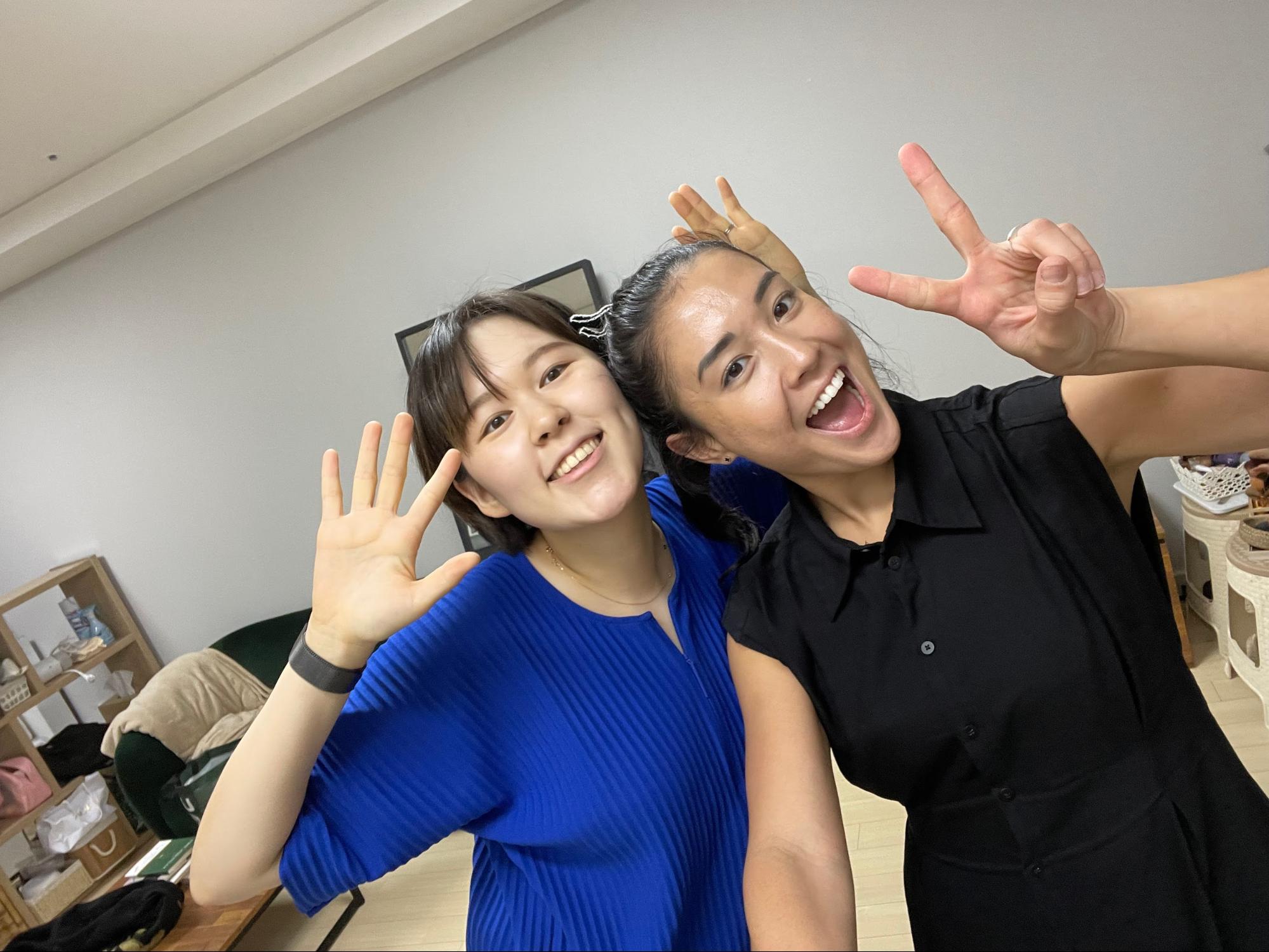
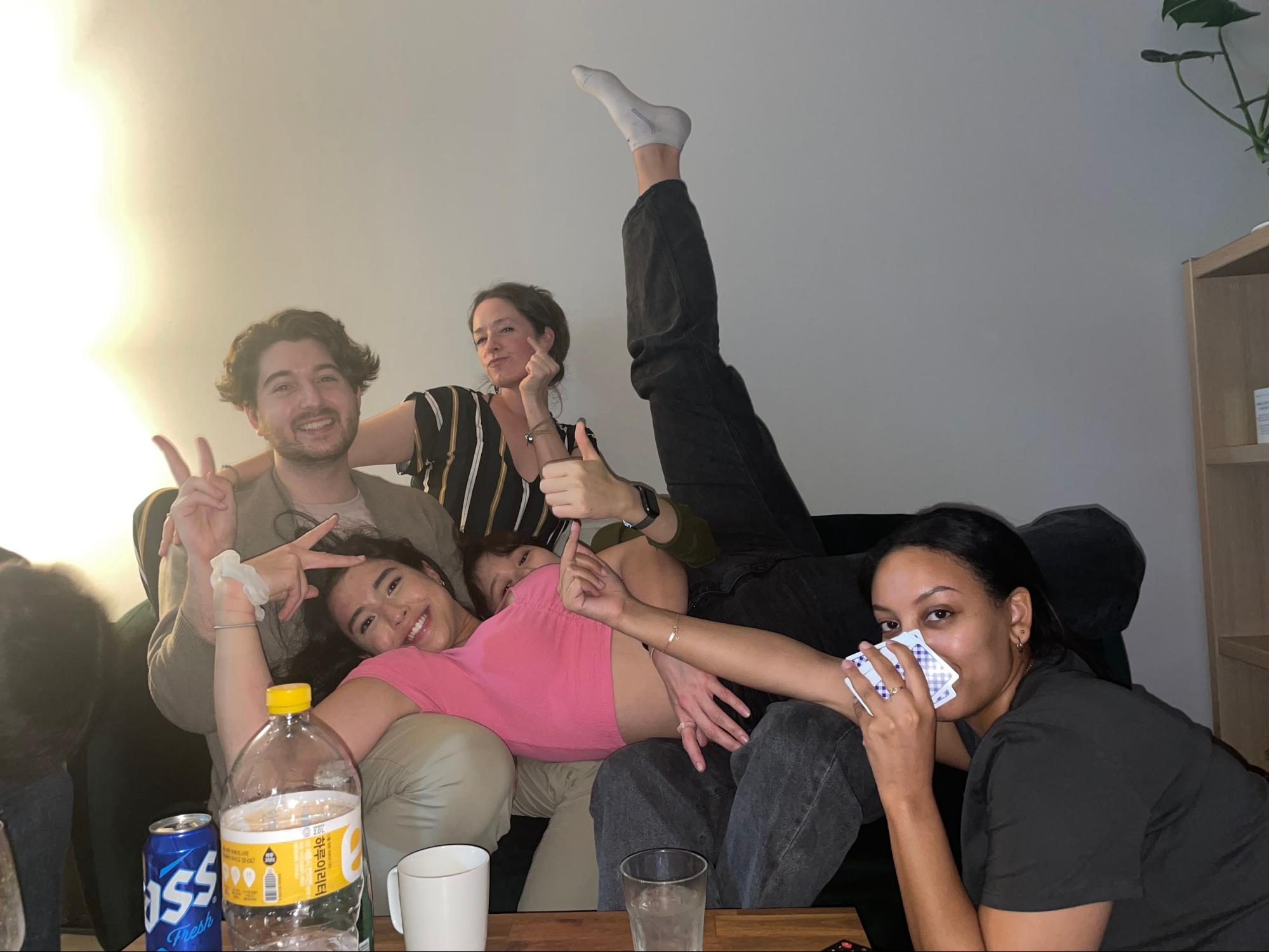
Being an introvert, moving halfway across the world was extremely terrifying. I came to Korea not knowing a single person or the native language. Making friends in Korea to share all of these new experiences with was something I longed for. I was worried that this wouldn’t happen because of my tendency to become shy around people I don’t know. Thankfully, everyone I have crossed paths with has been extremely welcoming.


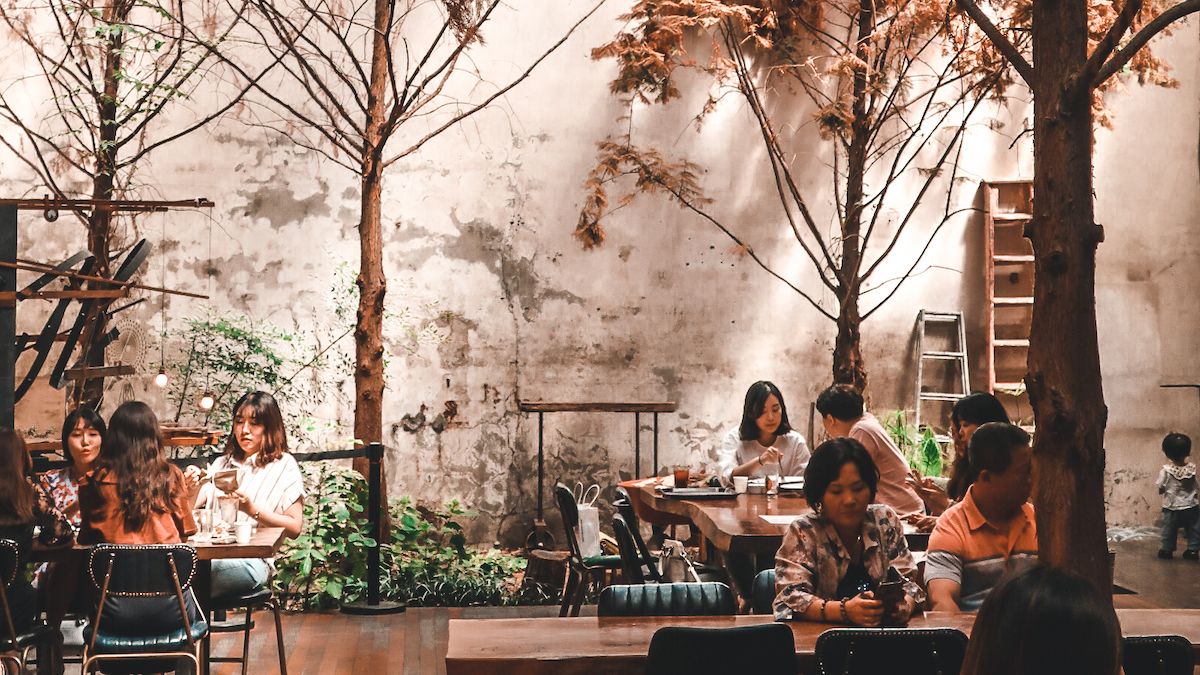
A couple of native English language teachers sitting at a cafe in Korea.

Workplace

Everyone employed at Creverse has been in the same boat. We all started from the very bottom and created lives of our own here in Korea. Because everyone here took this huge leap & faced all the odds, there is this inherent respect from one another. All of my fellow co-workers have been extremely kind and supportive since I’ve arrived.

I have spent countless weekends with colleagues doing touristy things. If I ever have a rough day, I can always count on a coworker to meet me for a drink after class. These are some of the many perks of my great work environment. 


Apps!

I haven’t personally dabbled in meet up apps while being here in Korea. Although, I have met many people who found their wives/husbands and lifelong friends on apps such as Meeff, Meetup, Hellotalk, Bumble, Hinge, etc.. These apps are great ways to meet natives that can show you around, introduce you to some good restaurants, and maybe even help you learn the language.

I actually had the privilege of befriending my hairstylist 2 months into being here. We met up with each other on several occasions. I taught her some English phrases in exchange for some Korean words & knowledge on hair treatments. Shout out to Jin from Moioui, she is great at hairstyling & her English is very promising!

A college of meet-up and dating apps used in Korea including Hinge, Hello Talk, MEEFF and Meetup

Night Life

The amount of people I have met from bars & clubs is astounding. Itaewon is filled with foreigners from all over the globe who are so open and friendly. Hongdae is so vibrant, everyone is there to have a good time. I usually go out with a group of friends, but I think it’s worthy to note that my girl friends go out alone here in Korea. The fact that females feel comfortable enough to go out by themselves, have fun, and meet others is truly amazing. Of course, like anywhere else in the world, you have to take the standard precautions. But, that’s besides the point.

Activities

I go to the gym quite often and have made friends with staff and other members. I have friends in hip-hop dance classes that have met plenty of new people. There are so many sports activities & hobbies to partake in. Pilates studios, clubs such as boxing, tennis, basketball, baseball, soccer, running, etc., are all open to foreigners. There are numerous other programs I didn’t list. Fact remains, there is something for everyone. Finding an outlet when you arrive in Korea is something I highly encourage everyone to do. It is a great way to stay in shape, teaches you how to organize your time, and boosts friendships.


I hope this has helped you feel a little more confident about making friends in Korea. It’s probably one of the biggest benefits about teaching English in Korea!

Amber Ochoa is from Los Angeles, USA, and just recently moved to South Korea in May. She studied Biochemistry as an undergraduate. After graduation, she began venturing out and embracing her love for adventure. She finds that “nothing holds greater power in our life than the unknown.” One night while applying to random jobs on Indeed, she came across an English teaching position in Seoul, Korea. Flash forward, she is now teaching at CDI, Mokdong branch. She claims that Creverse found her and ended up becoming a blessing in disguise. Amber says giving knowledge to students & inspiring them for higher achievements in life is one of the greatest feelings in the world.

Grocery Shopping in South Korea

The Korean Grocery Scene

Are you getting ready to embark on an ESL teaching journey in Korea? As you prepare for your exciting new chapter, let’s delve into one of the most essential aspects of daily life: grocery shopping. Korea offers a unique and vibrant grocery store scene that caters to both convenience and quality. In this blog, I will take you on a tour of the diverse shopping options, from common markets to online shopping.


Major Chains: Emart and No Brand

When you’re in the mood for a more extensive grocery haul, Korea’s food supermarkets offer an impressive variety of options. Emart and No Brand are two prominent names that stand out. No Brand, in particular, is a favorite among budget-conscious shoppers. It’s known for its affordability and convenience, offering a plethora of grocery products. However, keep in mind that they might only accept credit cards, as experienced by some shoppers. On the other hand, Emart is a paradise for those seeking fresh produce. Offering the flexibility of both credit card and cash payments, it’s a one-stop-shop for all your grocery needs. Other honorable mentions include Homeplus and Lotte Mart.   


Prices of Common Goods

My weekly market runs consist of eggs, bread, milk, chicken, fruits, and veggies. A pack of 15 eggs costs 6,000 KRW ($4.44), a loaf of bread goes for about 4,000 KRW ($2.96 USD). A 1,800 mL carton of milk can be purchased for 6,000 KRW ($4.44 USD) , and a 1 kg of chicken breasts costs about 9,000 KRW ($6.65 USD) ($1.00 USD = 1352 KRW). Fruits and veggies are a bit more expensive, as they are typically imported. Regardless, market prices are still very reasonable and affordable.


Delivery Services

In the age of digital convenience, Coupang emerged as a game-changer for grocery shopping in Korea. This online shopping platform boasts lightning-fast delivery right to your doorstep, with options like “rocket shipping” ensuring next-day delivery. While the convenience is undeniable, there’s a crucial detail to remember: to make purchases on Coupang, you need to register with your Alien Registration Card (ARC). As a foreign teacher, this means waiting until you have your ARC to fully embrace the convenience of Coupang. The platform’s easy exchange, return, and refund policies make it an attractive choice for many, earning its reputation as one of the best online shopping experiences in Korea.


As you prepare to teach ESL in Korea, rest assured that the country’s grocery store landscape offers a variety of options to suit your preferences and needs. From the freshness of supermarkets to the digital ease of online shopping, you’ll find everything you need to make your stay enjoyable and comfortable.

Amber Ochoa is from Los Angeles, USA, and just recently moved to South Korea in May. She studied Biochemistry as an undergraduate. After graduation, she began venturing out and embracing her love for adventure. She finds that “nothing holds greater power in our life than the unknown.” One night while applying to random jobs on Indeed, she came across an English teaching position in Seoul, Korea. Flash forward, she is now teaching at CDI, Mokdong branch. She claims that Creverse found her and ended up becoming a blessing in disguise. Amber says giving knowledge to students & inspiring them for higher achievements in life is one of the greatest feelings in the world.

How to Budget in South Korea

Big Girl Budget

Being 24, with what would be considered a “big girl” income is all fun and games until it’s not. Because everything in Korea is so affordable, it can be very easy to spend all your coins in one shot. It is best to plan a budget and manage your income as soon as possible. This way, you can build financial independence and freedom while teaching abroad.

Fixed and Variable Costs

Although a teaching salary in Korea might not seem much to a US citizen, it is actually a livable income. Since teaching with Aclipse, I have been able to pay the bills and maintain a social life. The first step in creating a budget plan is calculating your monthly income and listing your monthly expenses. Fixed costs such as rent, wi-fi, credit cards, phone bills etc., are easy to manage. It’s the variables that can do some damage. For example, a utility bill in the summer.


Food Costs

Other variable expenses include food, transportation, and personal care. I try to alternate between cooking and dining out. After living here for almost six months, I find that there is no major price difference in dining in/out. You can purchase a meal, “banchan,” and drink included, for about 10,000 KRW or $7.50 USD. Since most of the produce in Korea is imported, it tends to be costly. But with time, you’ll learn to find the markets with the best deals.


Transportation Costs

The subway and bus will be your best friends here in Korea. They take you anywhere and everywhere. Try to avoid taxis at all costs. The prices aren’t absurd, but, if abused, can quickly add up.


Personal Care

I found it essential to add “personal care” to the list of variable costs. Believe me when I say, you will fall into the trap! The enlightenment by all the toners, exfoliants, serums, and face masks Korean health and beauty stores have to offer is a feeling like no other. Korean skin care is a game changer, spend wisely.

Savings Plan

A savings account might be the better option if you want to store your money and accumulate interest over time. Korean banks follow the same guideline as most banks around the globe. A customer deposits money into a savings account, the bank offers an interest rate for the deposited money, and the interest rate increases the longer the money is kept in that account. The average interest rate in most Korean banks ranges from 2-4%. Check out this link to find out more information on savings plans for foreigners in Korea.


Remaining balances should be used to create memories. Every weekend is an opportunity to do something fun, so make the most of your time overseas. There are plenty of budget friendly activities. Be sure to read Creatrips’s list of budget friendly things to do https://www.creatrip.com/en/blog/11584. Good luck, and be sure to have some fun with your independence!!


Amber Ochoa is from Los Angeles, USA, and just recently moved to South Korea in May. She studied Biochemistry as an undergraduate. After graduation, she began venturing out and embracing her love for adventure. She finds that “nothing holds greater power in our life than the unknown.” One night while applying to random jobs on Indeed, she came across an English teaching position in Seoul, Korea. Flash forward, she is now teaching at CDI, Mokdong branch. She claims that Creverse found her and ended up becoming a blessing in disguise. Amber says giving knowledge to students & inspiring them for higher achievements in life is one of the greatest feelings in the world.

Korean Cafe Culture

Unveiling Korean Cafe Culture

Teaching English in Korea has been eye opening on so many levels! Stepping into South Korea’s cafe world, time slows, and each coffee promises new connections. My Sejong journey transformed me. Moreover, Korean cafe culture isn’t just about drinks; it’s life woven into existence. Let’s explore five captivating Sejong cafes.

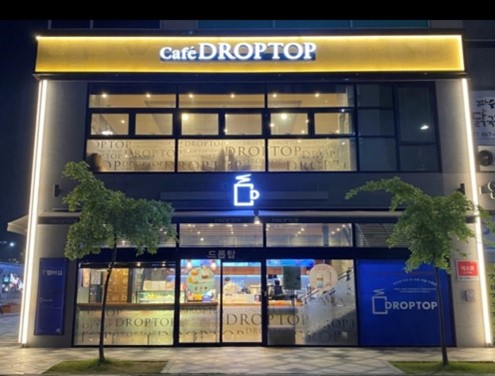
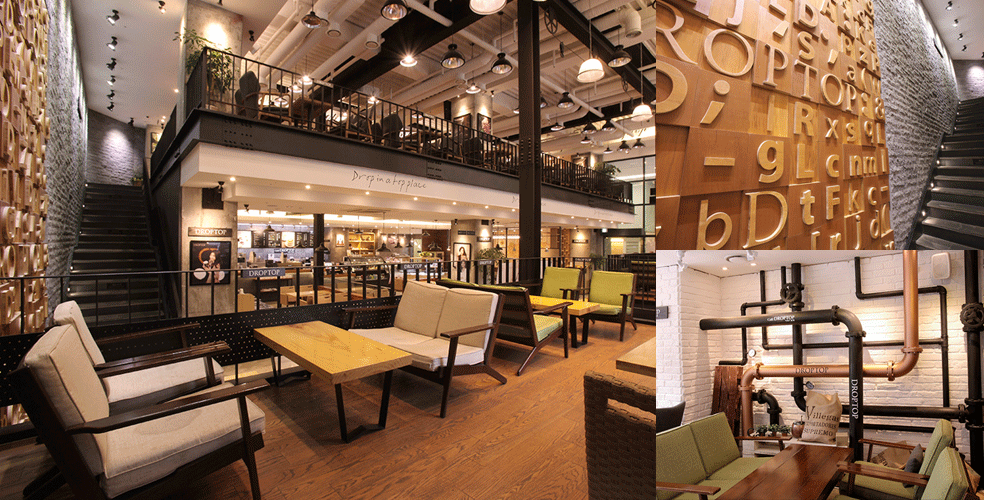
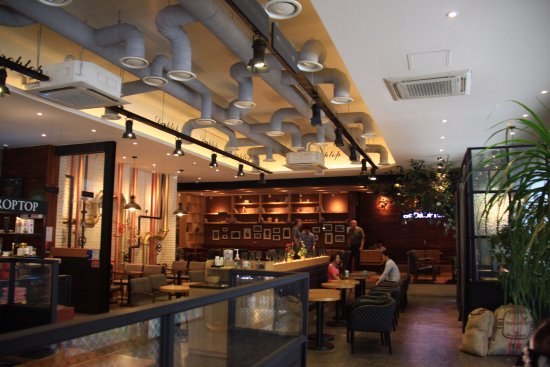
1. Café Drop Top: A Sanctuary for Studious Minds and Friendships

Nestled in Sejong’s heart, Café Drop Top offers productivity and camaraderie. Its cozy setting is ideal for book immersion or engaging conversations. Furthermore, the fresh coffee aroma fosters concentration and connection.

Starbucks: Where Friendships Flourish Over a Cup of Joe

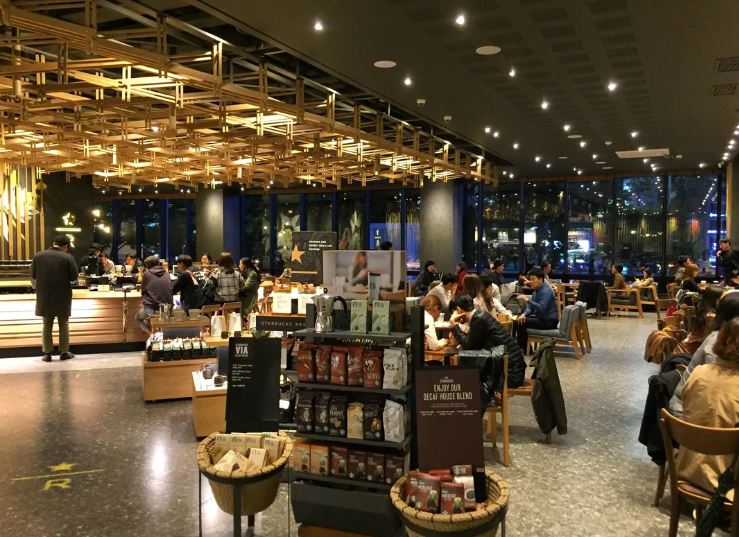
Starbucks, a global coffee icon, nurtures friendships. Friends gather for stories, laughter, and favorite drinks in a welcoming atmosphere with a diverse menu. Additionally, the familiar ambiance makes it a reliable choice for cultivating friendships.

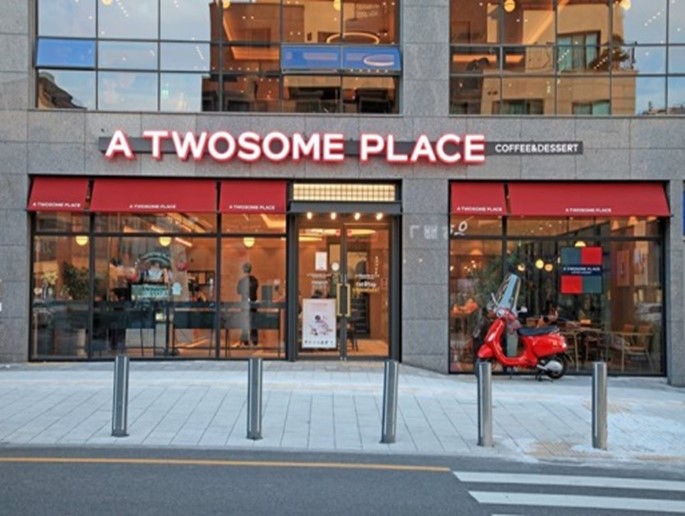
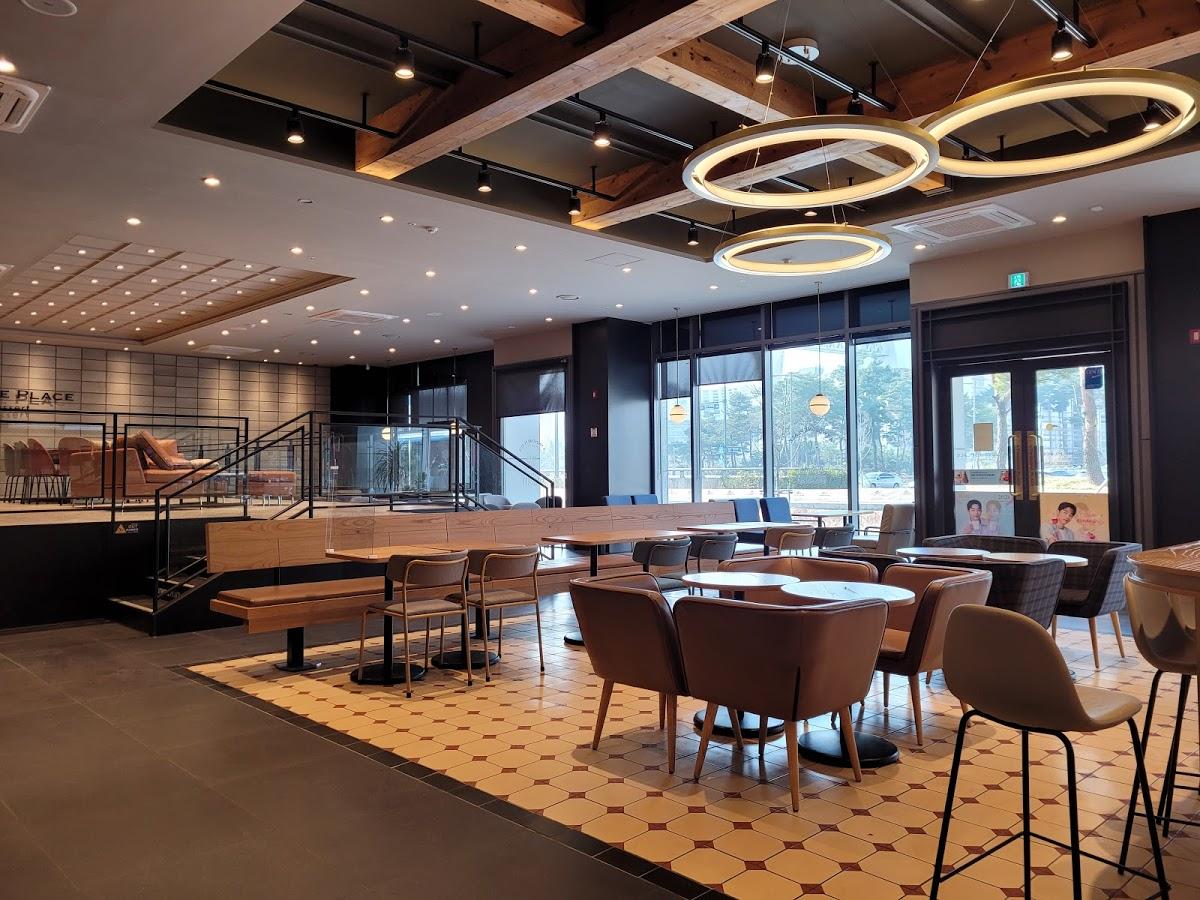
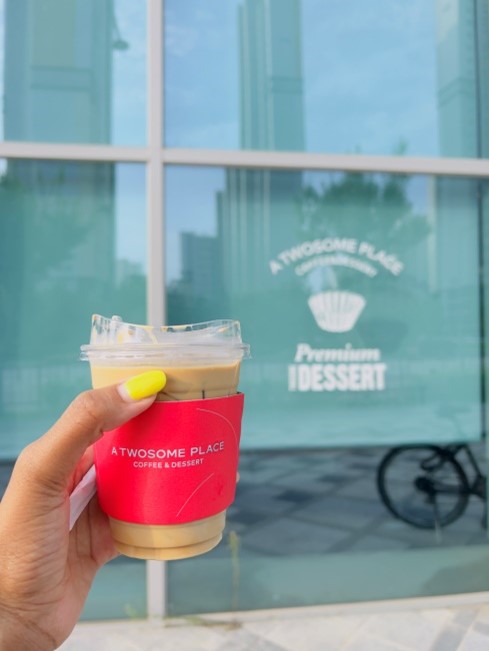
A Twosome Place: Where Intimacy Meets Study Sessions

A Twosome Place blends study tranquility with intimate chats. The soothing design sets the stage for learning and tête-à-têtes. Moreover, coffee enhances connections on every visit.


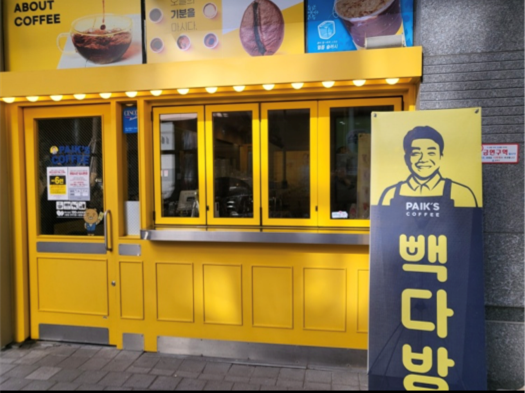
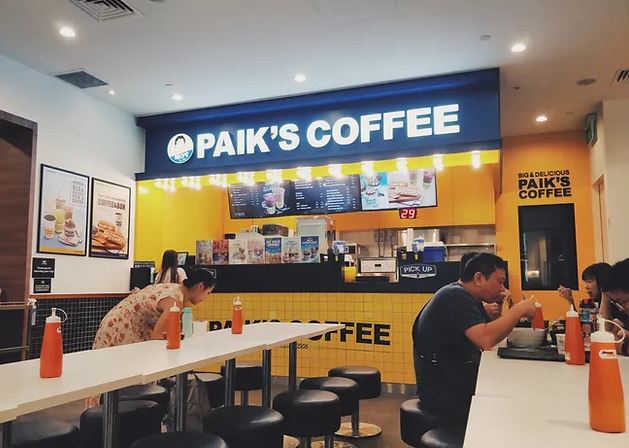
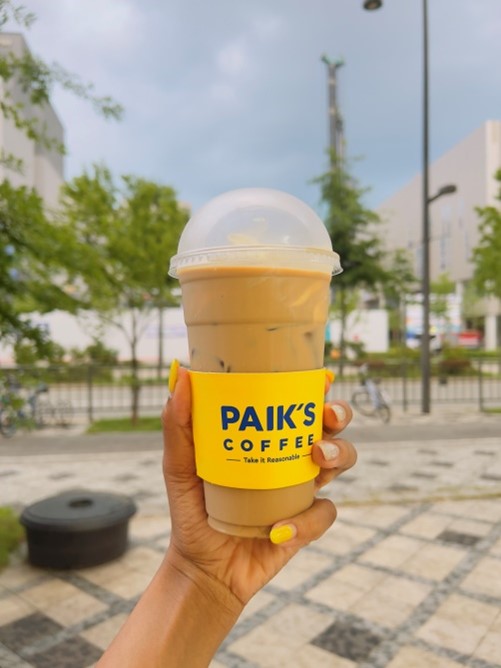
Paik's Coffee: Fueling Ambitions, One Cup at a Time

In Sejong’s fast-paced world, Paik’s Coffee symbolizes convenience. A quick stop refuels with rich coffee, integrating into the city’s hustle. This is a testament to how coffee has seamlessly integrated itself into the city’s hustle and bustle.

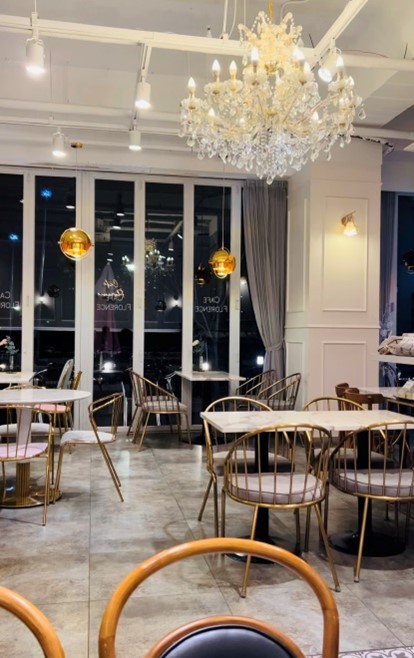
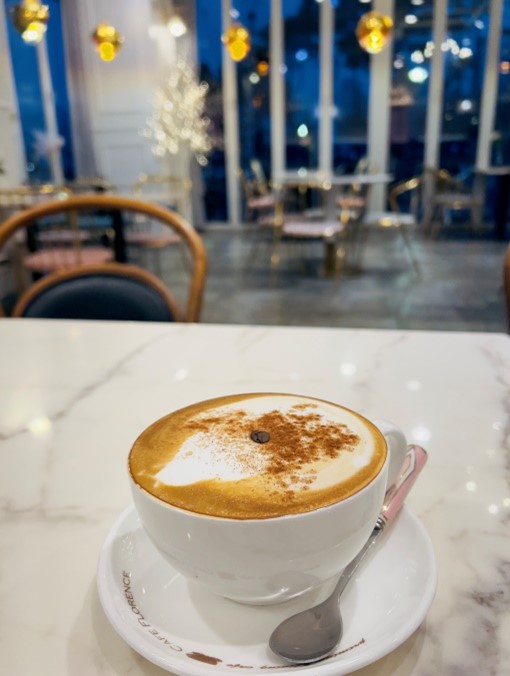
Café Florence: Aesthetic Bliss Amidst Friends

Tucked in Sejong’s corners, Café Florence marries aesthetics with companionship. This charming cafe offers an idyllic setting for friends to relish company while savoring treats. Furthermore, every visit is a visual feast that ignites the senses and fosters connections.

Reflecting on my journey from skeptic to enthusiast, Sejong’s cafe culture reshaped my perspective. Coffee extends beyond flavors; it’s a catalyst for forging bonds, igniting creativity, and creating memories. Moreover, cafes have become the backdrop for heartwarming encounters.

Sejong’s cafe culture weaves camaraderie, productivity, and creativity. For me, it painted warmth, intimacy, and vibrant connections. Each cafe provides a canvas for friendships to flourish, ambitions to be fueled, and experiences to be cherished. As a result, memories linger like the aroma of coffee, a testament to Sejong’s profound cafe culture impact.


Bella Maselana hails from South Africa where she earned a Bachelor’s of Psychology and has served as an English teacher and Lecturer at the University of SA. Bella currently teaches at April English in Sejong, South Korea. 

Types of Housing for English Teachers in Korea

Officetel vs. Villa

Teaching English in Korea is an exciting adventure. However, the idea that you will not know exactly where you will be living can be a big source of trepidation. South Korea offers a diverse array of housing styles, but officetels and villas are two of the most popular housing types for English teachers in Korea. While your local branch often handles accommodation arrangements, let’s explore these two popular types of housing for English teachers in Korea.

Officetels: The Modern Living Solution

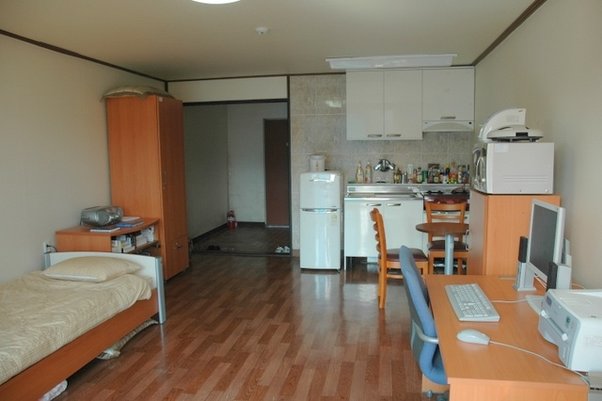
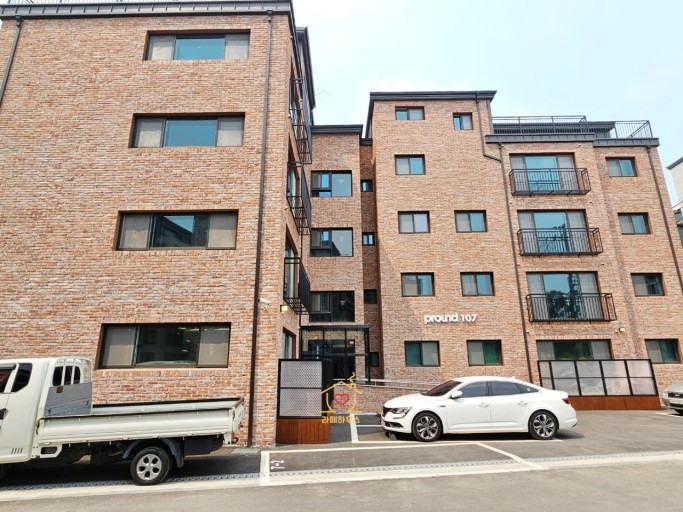
Officetels, blending “office” and “hotel,” are often compact living spaces in large apartment-style buildings that combine residential and commercial functions. These multifunctional units offer a unique living experience. They are particularly well-suited for urban areas. Officetels offer so much convenience in their close proximity to public transportation, shops, and amenities. In bigger cities, officetels may even come fully furnished (though you should be informed that some teachers might have to furnish apartments themselves). 


Outside picture of an officetel-style apartment in Korea for English teachers

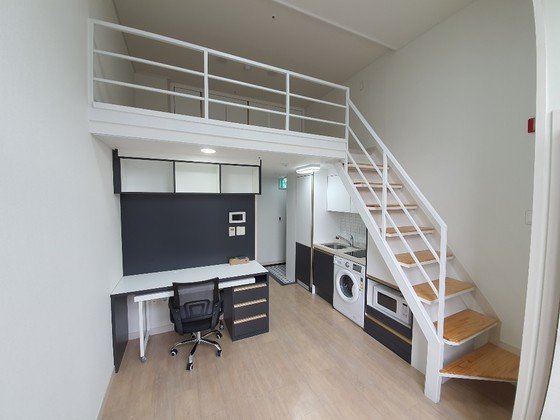
In South Korea, some officetels feature a unique split-level design with added space above the main area, accessible via stairs. This design separates functions like a loft, workspace, or storage area. Modern and efficient, officetels maximize comfort in limited space. Officetels are also typically very modern and efficient, and allow you to maximize the use of limited space without compromising comfort.


Villas: Traditional Comfort

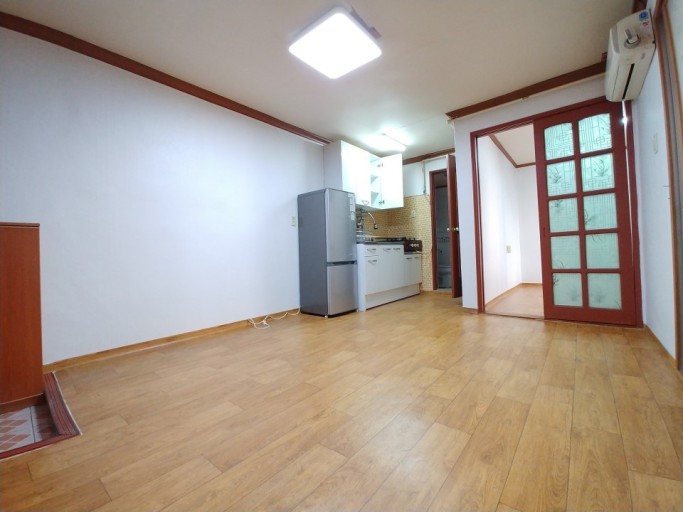
Villas in Korea vary widely in size and style. You might find yourself in a studio apartment, or a larger family-oriented unit. Villas generally come in various layouts and offer more space compared to officetels. This makes them ideal for couples or those who value larger living areas. 


Typically located in residential zones, villas usually provide a quieter, more private living environment. Think of it more as a neighborhood vibe instead of a large apartment complex. Villas are usually in 2-3 floor buildings. You also won’t lose creature comforts as convenient stores, local drycleaners and other services are always within a few blocks.  


Pros and Cons

Depending on your contract type, you may have a choice in where you live. In other contract situations, you will be provided a place to stay by your local branch. Regardless what option you choose, you can be confident that your housing will have pros and cons, just like anything else in life! Regardless, both villas and officetels fulfill modern living needs.   


Tour Of My Place

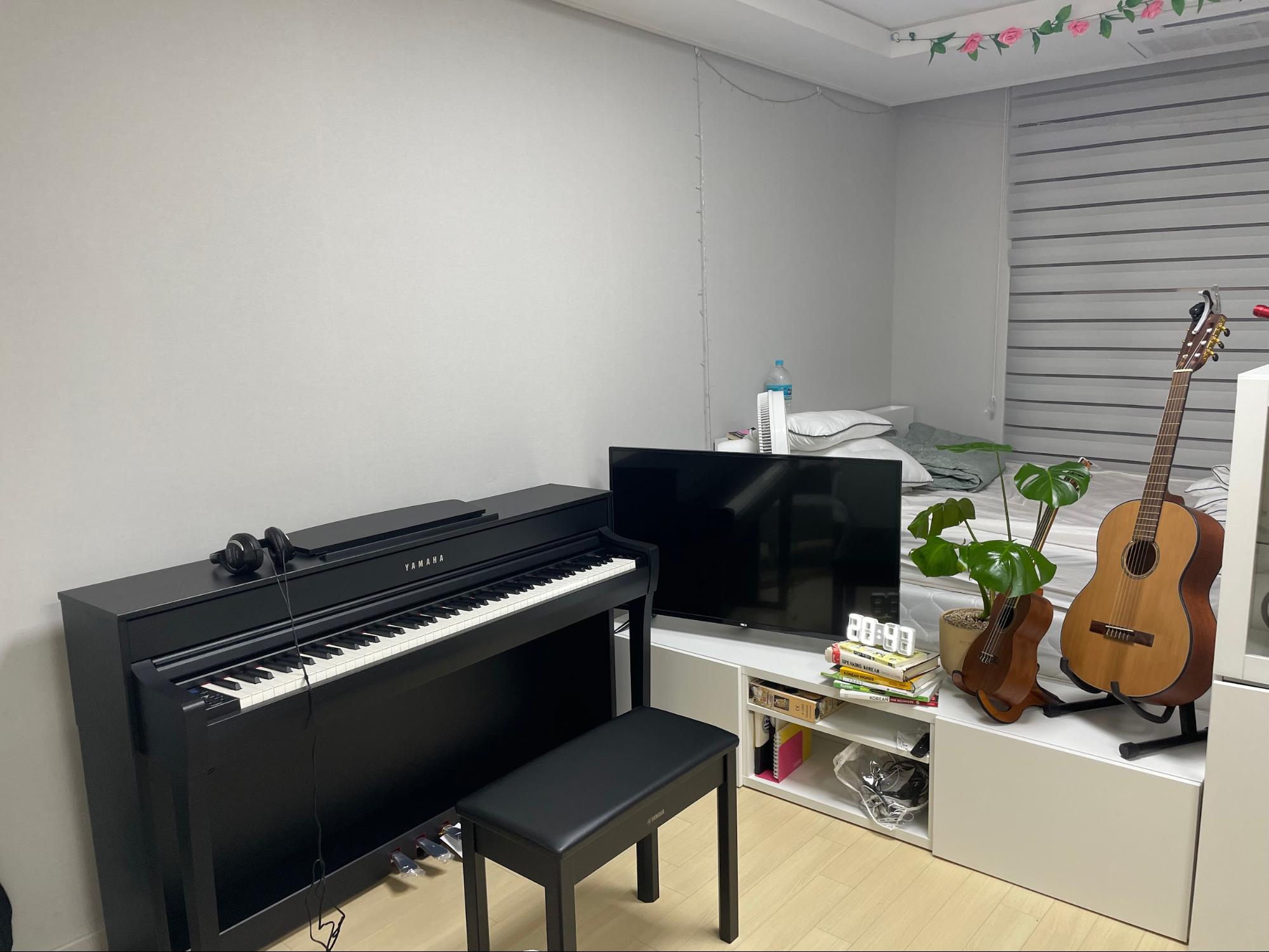
Here are some pictures of my officetel. I was placed at the Sejong location, where the entire town was built in just the past several years, so it is very unique in that it was built just a year before move-in. That being said, most officetels are built in the last 20 years, so compared to other developed countries, all buldings are very new.

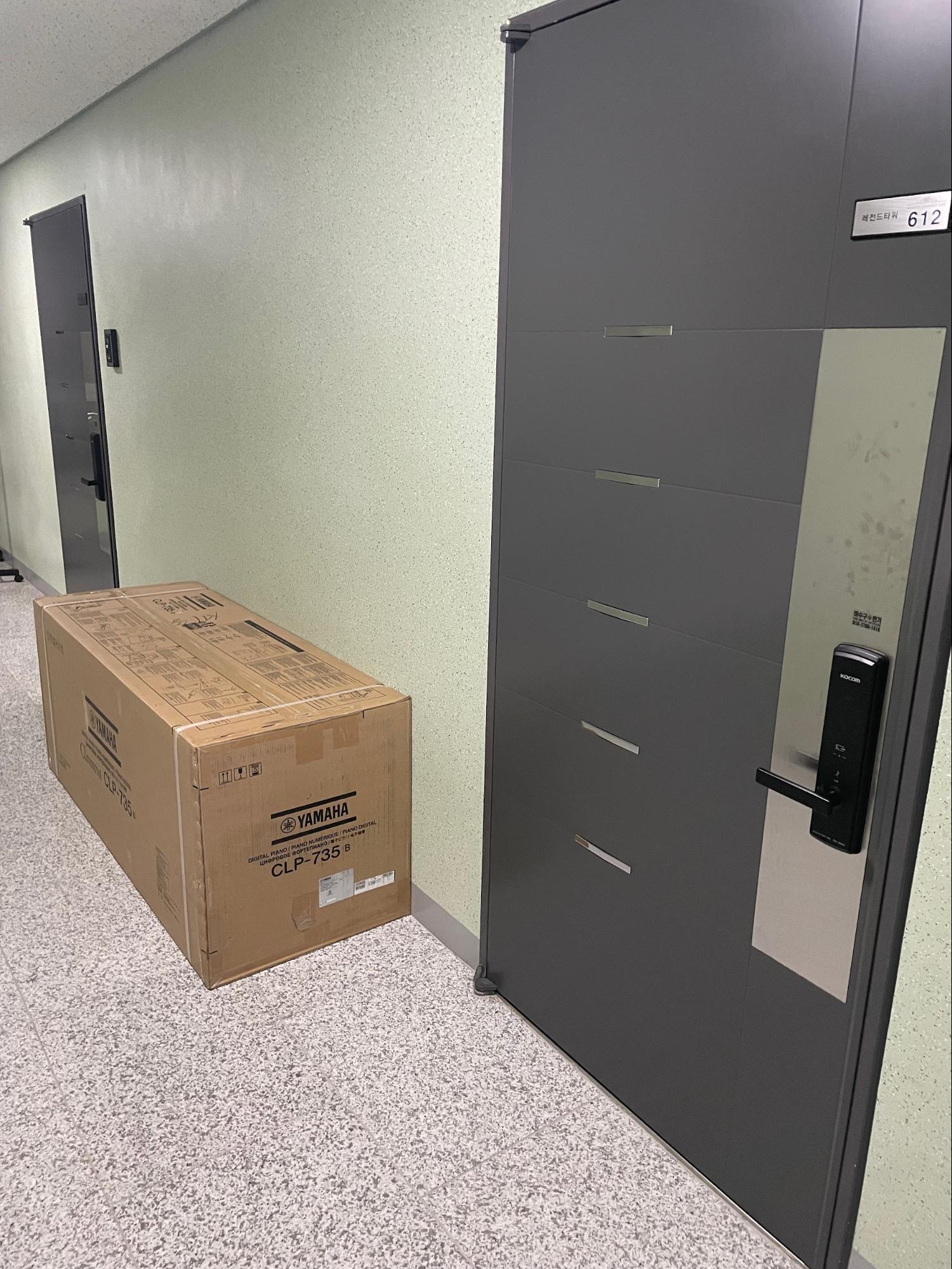
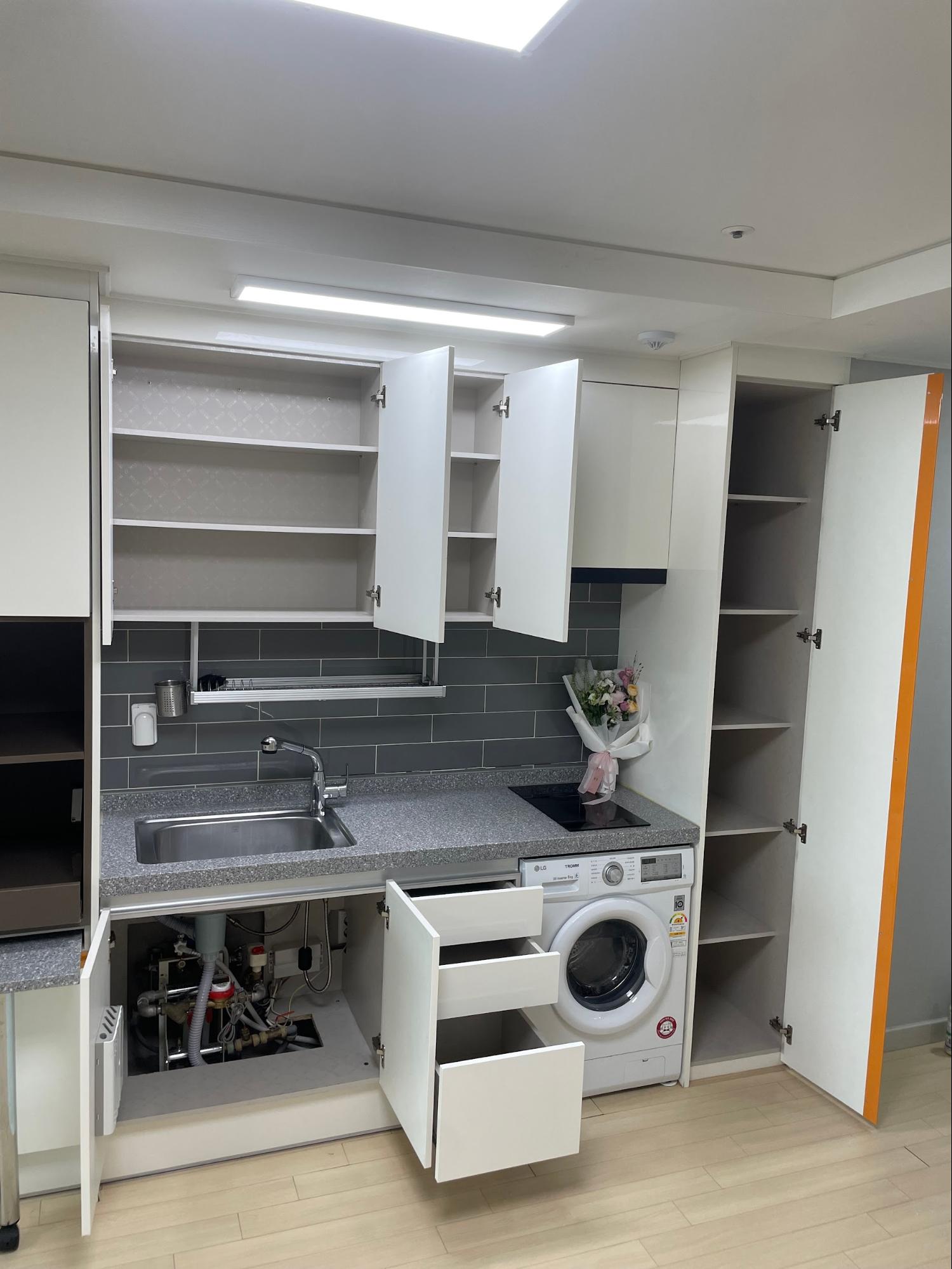
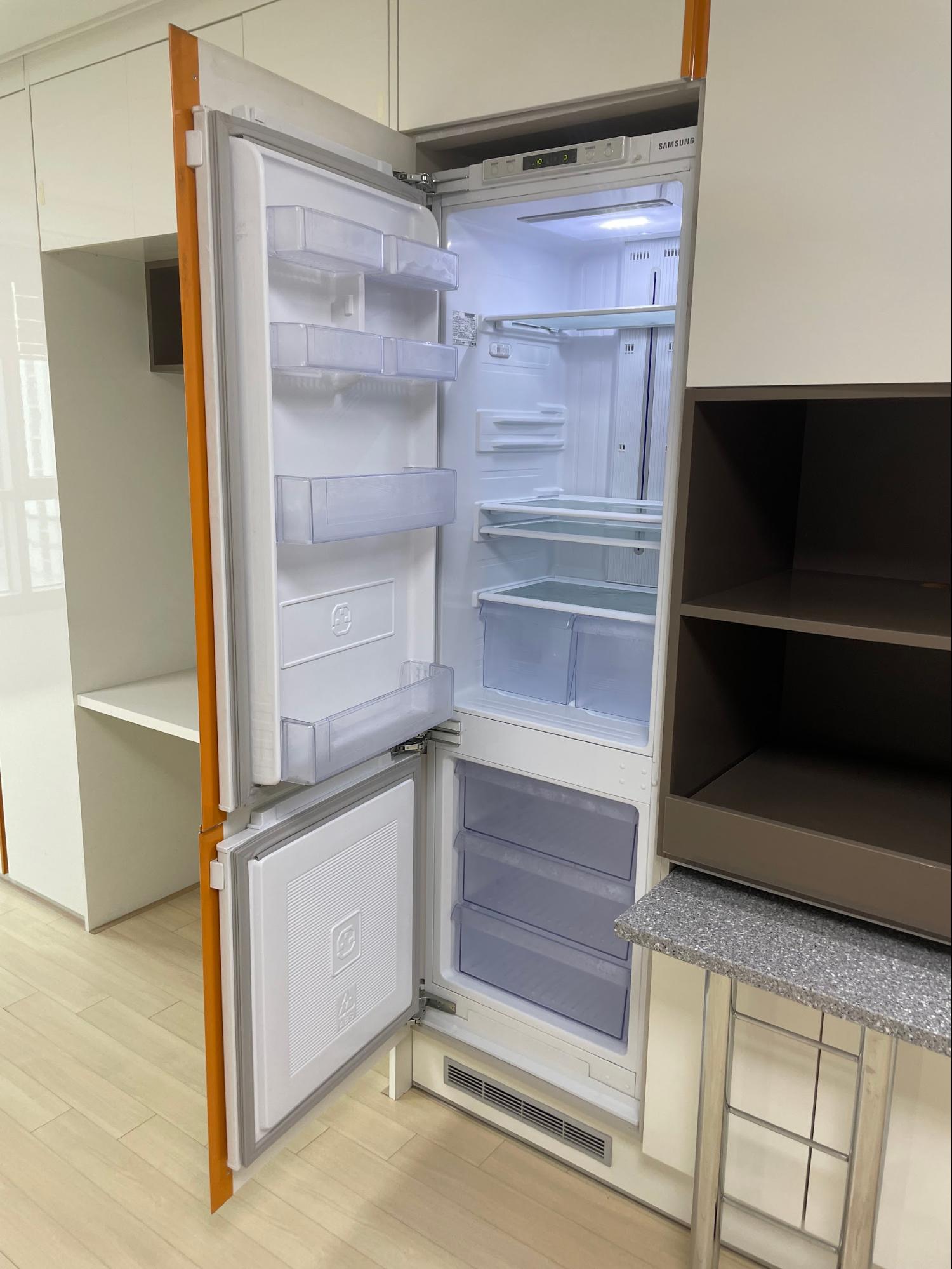
The door lock operates using a pin pad system, which is fantastic because you won’t have to worry about losing your keys. The unit covers 92 square meters and provides generous storage space. You’ll also find built-in appliances like a refrigerator and washing machine for added convenience.

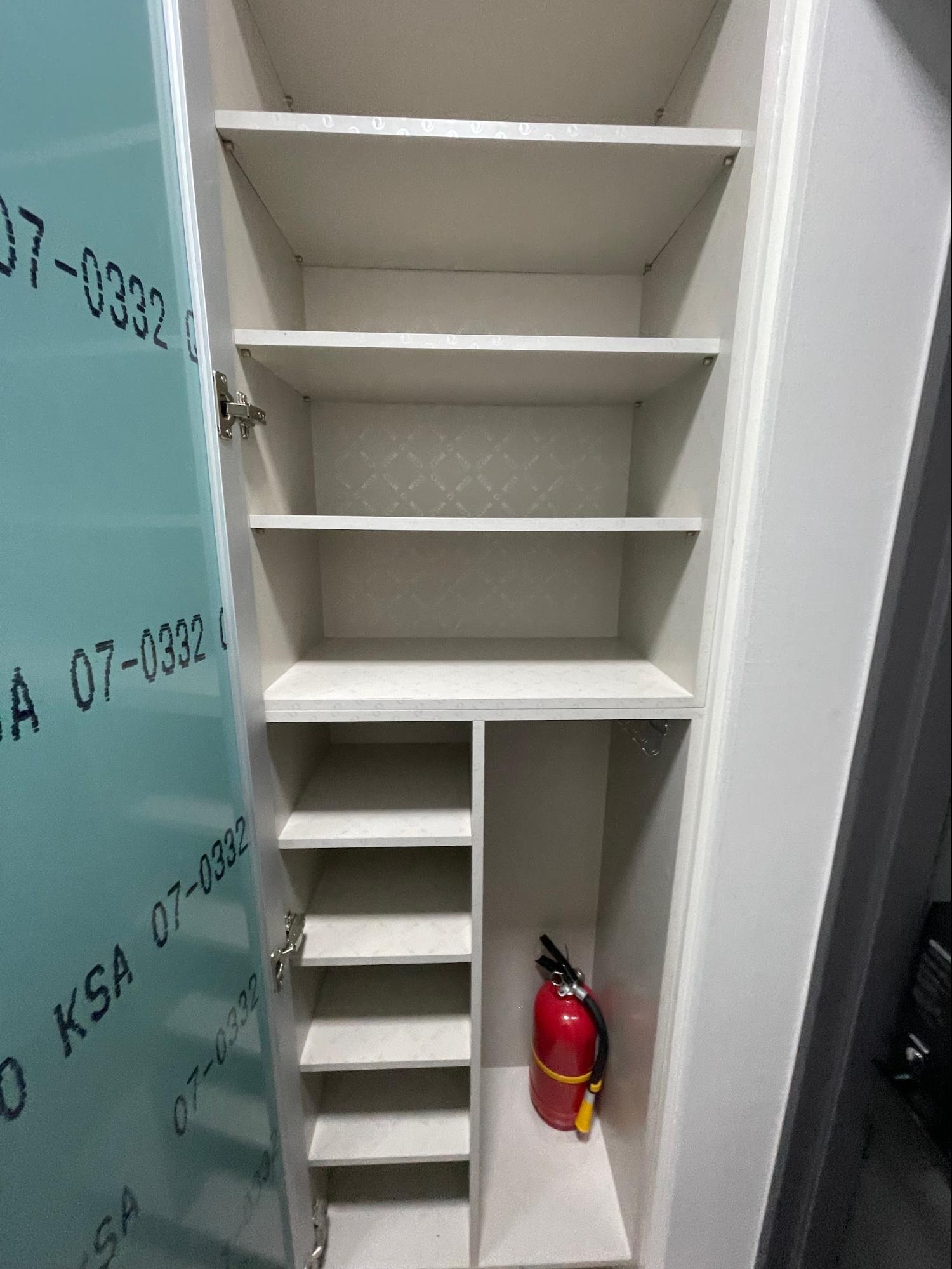
As you step inside the apartment, there’s a spot to remove your shoes and store your indoor slippers – a common practice in South Korea. The apartment is also supplied with a fire extinguisher and plenty of shoe shelves.

The closet space feels a bit compact, but you can optimize it by incorporating inserts and utilizing specific hangers to conserve space and maintain order. Additionally, an interesting discovery: the bottom door on the far left is, in fact, a pullout drying rack for clothes!

The wall incorporates a cleverly designed kitchen with a two-burner electric stovetop, a built-in refrigerator and freezer, and cabinets hosting a dish drying rack underneath. Beneath the sink, a knife holder is in place, while above the sink serves for dishes. The space to the right is perfect for arranging food and spices.


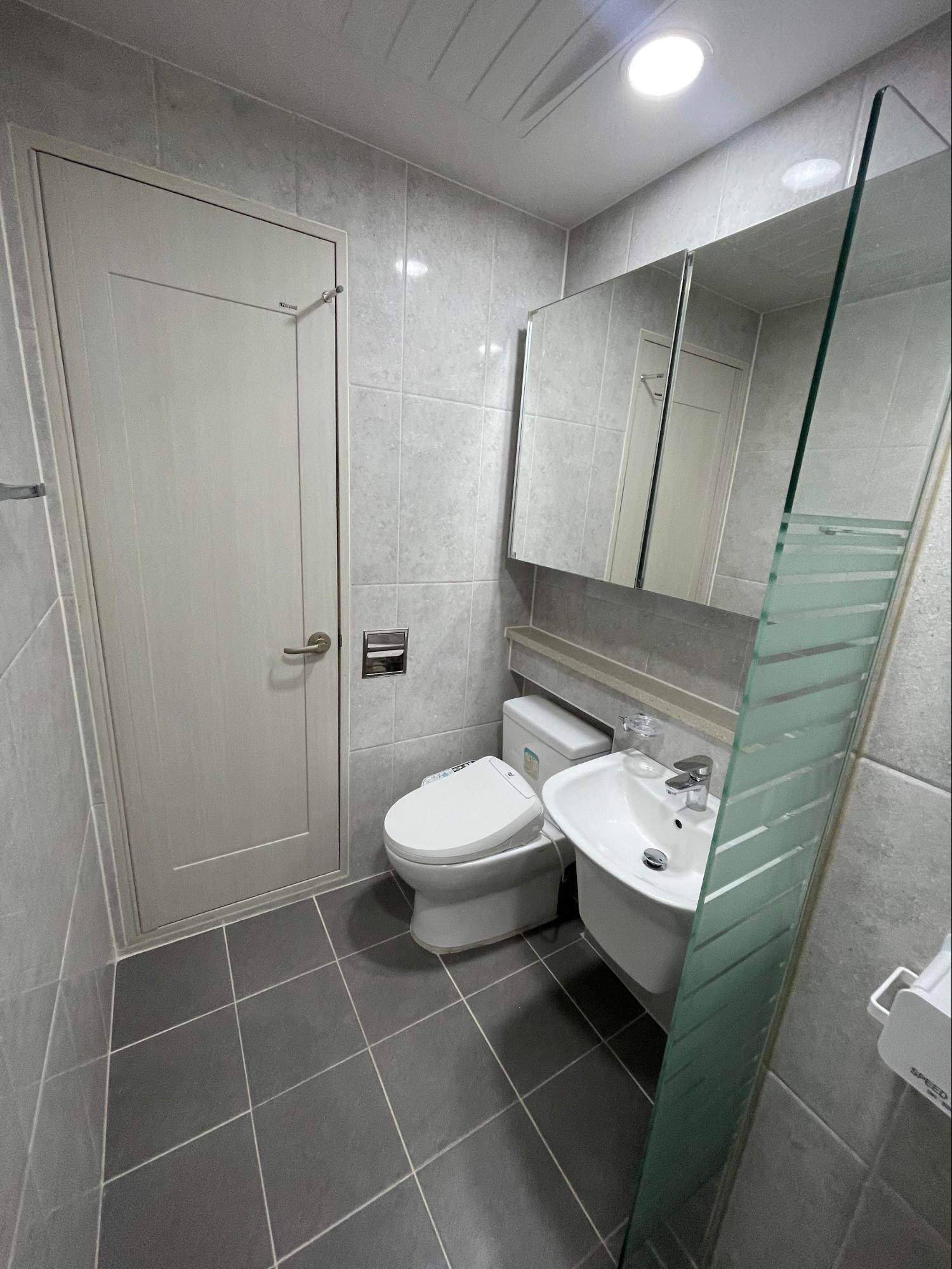
Bathrooms in South Korean officetels and apartments are modern and distinct. They frequently showcase open shower areas, advanced bidet functions, and efficient layouts within limited spaces. Some bathrooms even boast natural light, floor heating, and soundproofing. I really appreciated the presence of a bidet in my bathroom. 


Bidets are a standard fixture in South Korean bathrooms, whether in officetels or villas. Electronic bidet toilet seats, offering adjustable water temperature, pressure, and air drying functions, are common. Properly ventilating bathrooms is crucial, as expats sometimes note mold issues; however, this problem is typically easy to prevent!

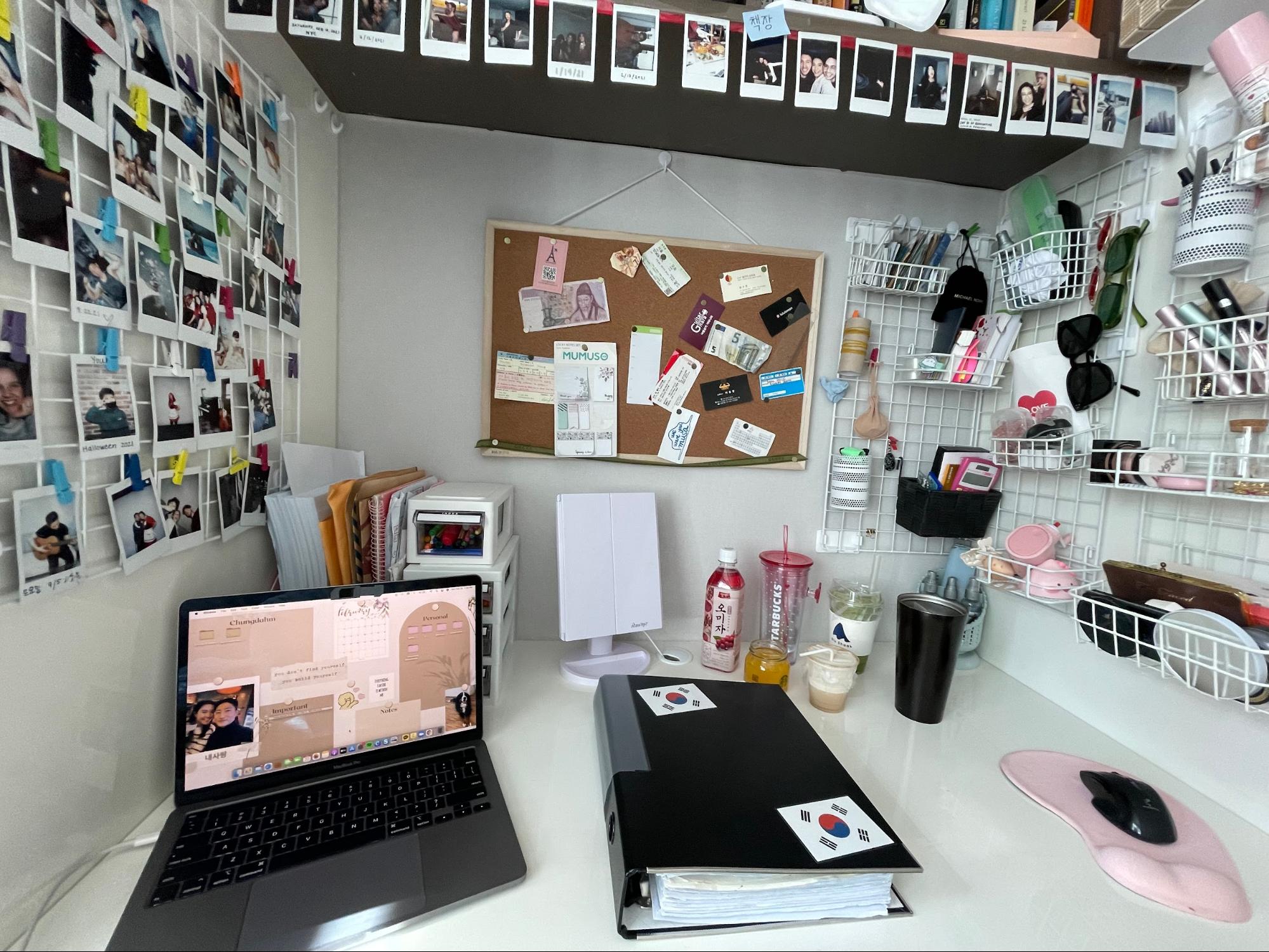
Originally, I used this area as desk space, though later decided to turn it into the TV area. Here is a picture of the space used as a study and work zone. Daiso has lots of creative organizers which can allow you to store more of your things without taking up too much of the working area!

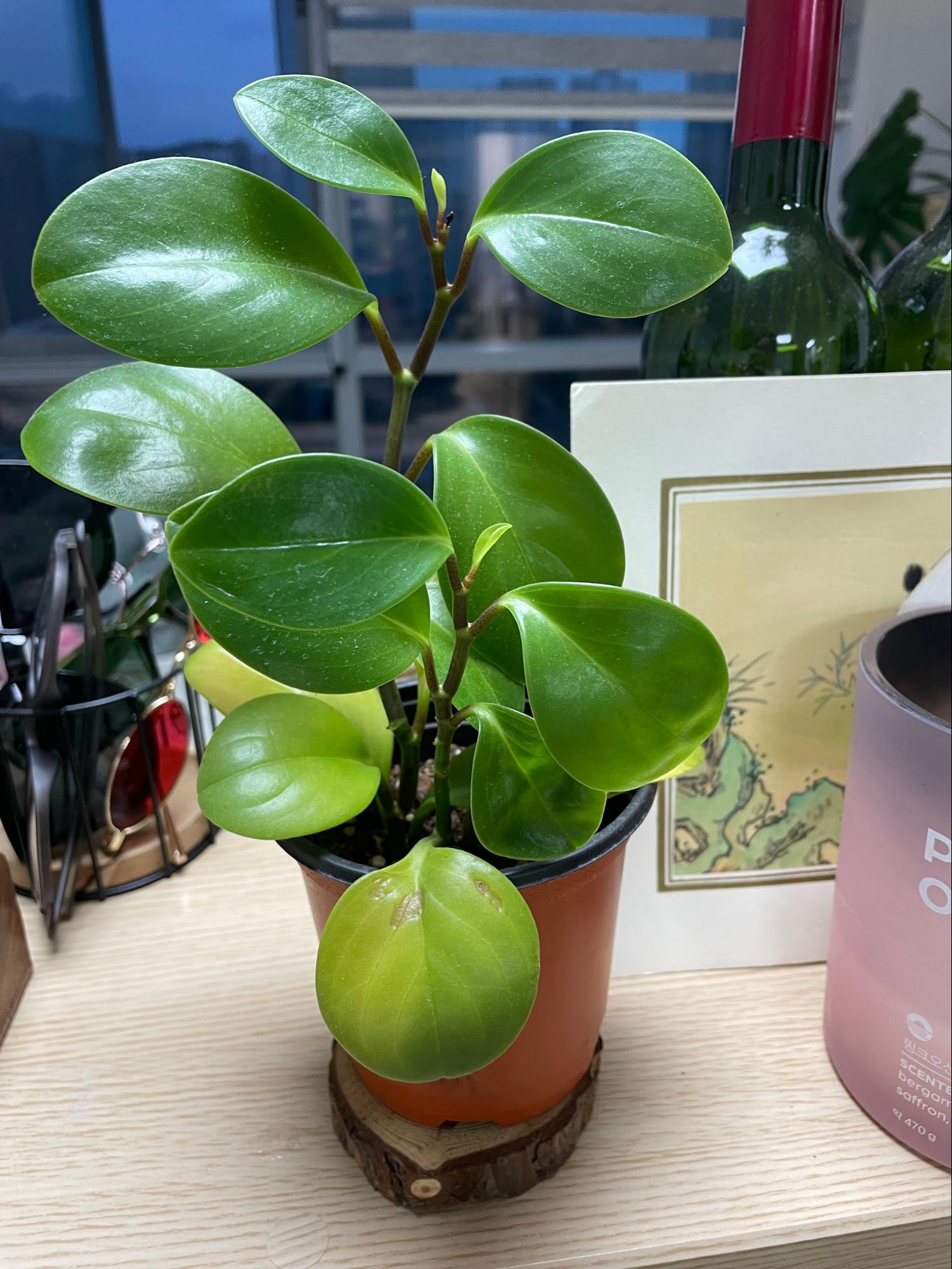
I highly recommend getting some plants. They’re an excellent way to liven up any space and create a homely ambiance. Hanging plants, monsteras, and cacti are fantastic choices that require minimal upkeep!


As you dive into your Korean journey, remember that your apartment is more than just a place to stay – it’s your personal haven. Whether you’re in an officetel or a villa, these unique Korean living spaces offer countless ways to find comfort. From optimizing your kitchen, to adding a touch of nature with easy-care plants, to decorating with photos and friends from home, you can truly make your space your own.


내 집만한 곳은 어디에도 없다!

“There is no place like home!”


Alexandra Skouras is from Pennsylvania, USA, and has been living in South Korea since April 2021. She studied Biology and Spanish during college but decided to embrace her love of travel and cultural diversity through teaching English in other countries. After spending one year teaching in Madrid, Spain, she decided to move to South Korea, and since then has been teaching Chungdahm April in Sejong. Her favorite part about teaching is connecting with students and seeing how much growth they can achieve in just a short period of time. Alexandra describes her Korean life as the perfect mix of comfortable and exciting, and is passionate about encouraging other people to take the leap of faith and try something new.

The Boryeong Mud Festival

Boryeong Mud Festival

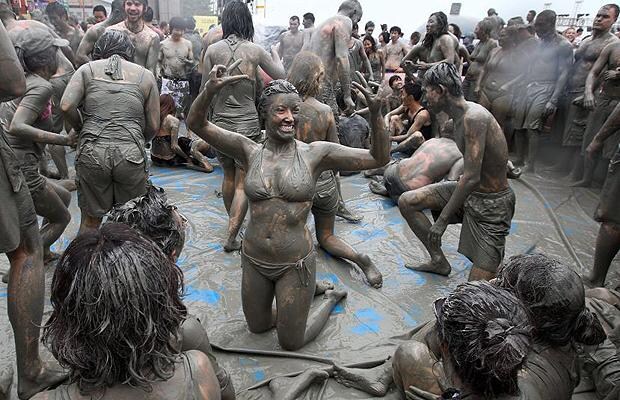
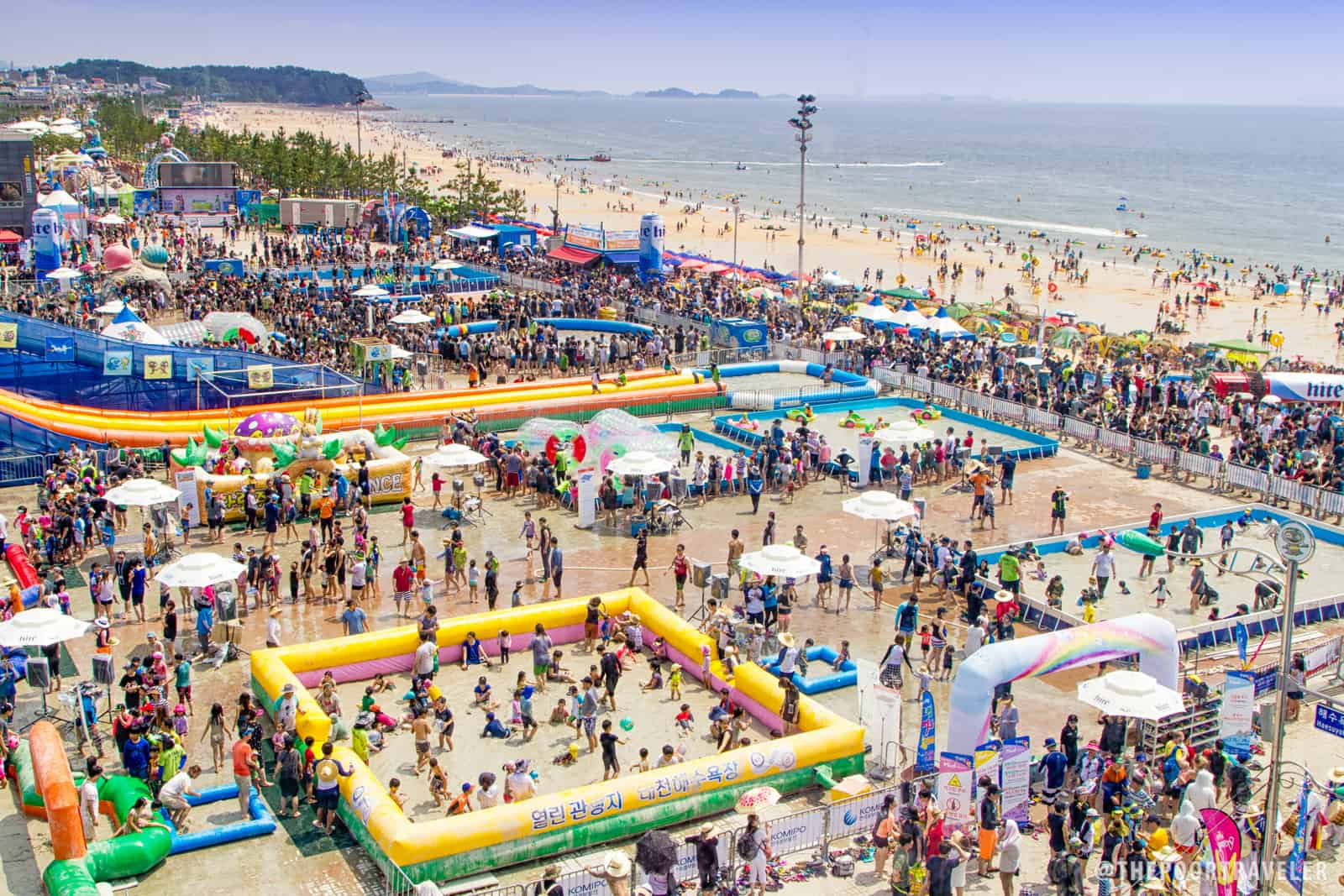
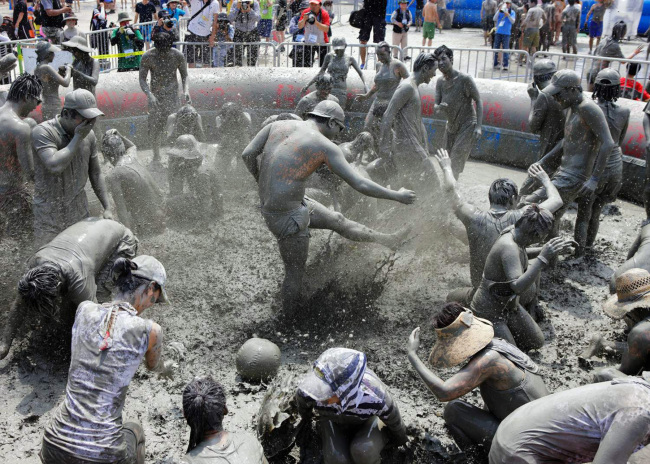
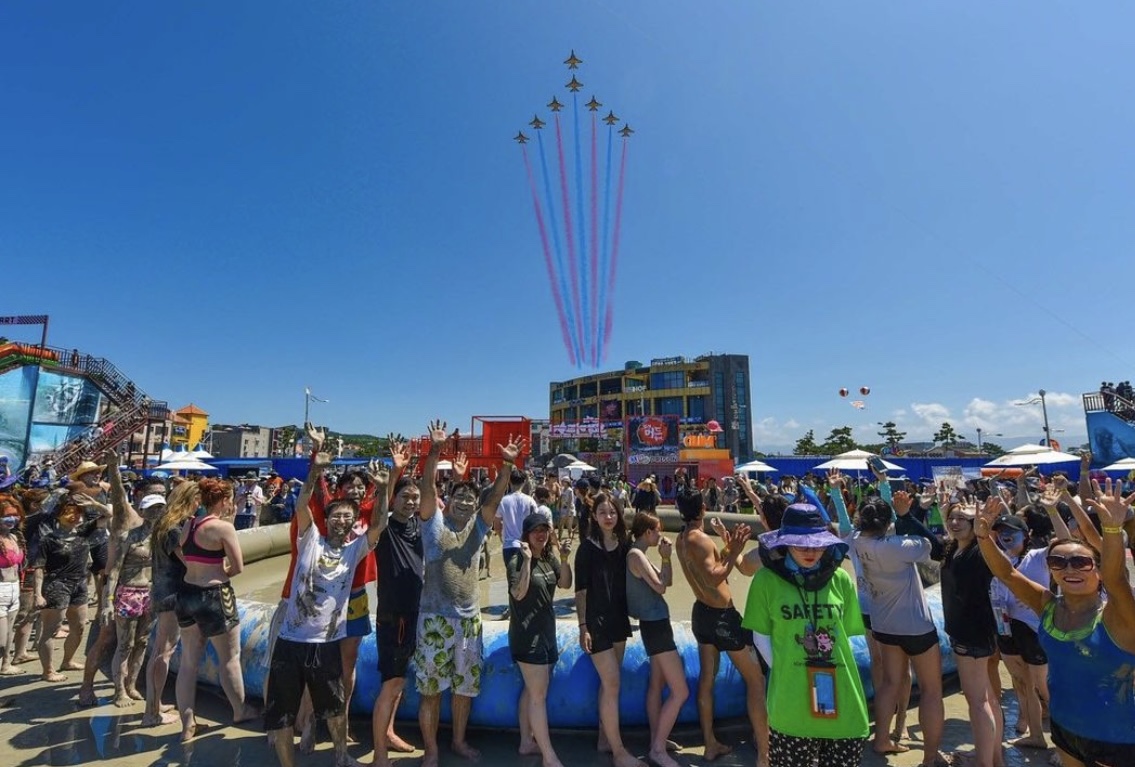
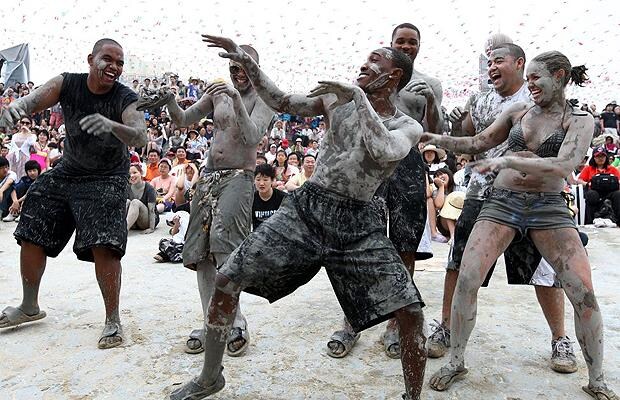
Looking for a getaway involving water gun fights, obstacle courses, DJ sets, and mud baths in Korea? The annual Boryeong Mud Festival is the way to go! I’ve recently attended the festival in July. To say that it was amazing is an understatement. This event released my inner child, brought laughter, smiles, and great memories.

Worthy Boryeong Mud Knowledge

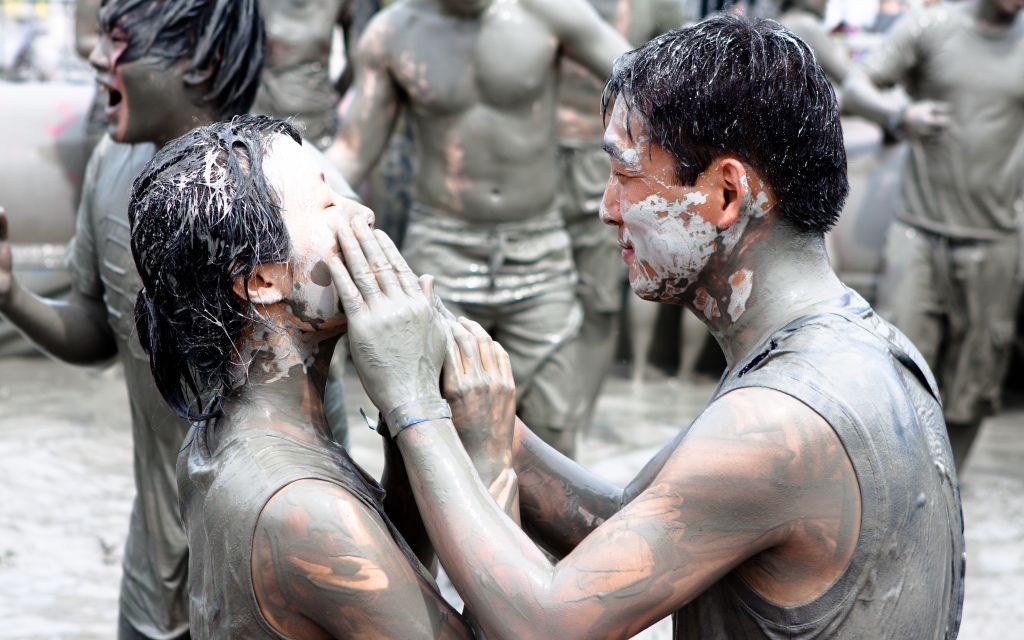
The Boryeong Mud Festival isn’t all about fun. Mud powder is processed from the mud taken from Daecheon Beach in Boryeong. Mud water is extracted, and then the left-over mud powder is what is used in these skin products. Germanium and bentonite slow skin aging, exfoliate, and rejuvenate. More specifically, germanium improves skin contraction and skin elasticity! In addition, bentonite helps calm irritation/redness, and promotes healthy, glowing skin.

Transportation & Admission

The best way to travel to this beautiful coastal city is by bus. It is about a 2.5 hour ride outside Seoul. You can purchase bus tickets at Seoul Station (prices range from 11,000-18,000 KRW), and you can buy festival tickets on the Boryeong Mud Festival website for only 14,000 KRW.

Special Features

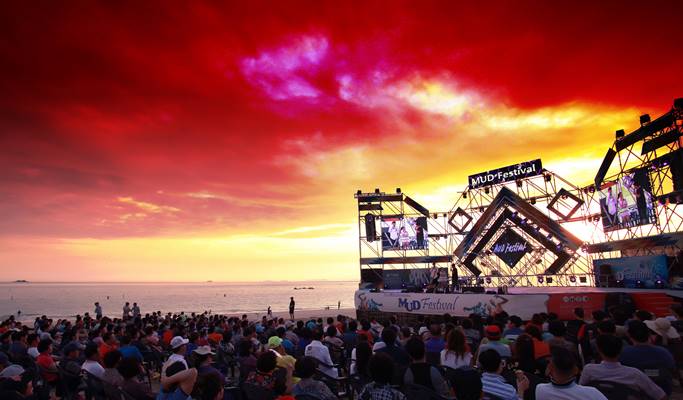
Food stands are lined up all around the Boryeong Mud Festival to satisfy one’s hunger. Mud beauty products and souvenirs are sold as well. Colored mud face paintings, a sea-side mini water park, and family zones are offered to accommodate the younger crowds. Mini Daecheon beach parades happen during the day, and at night the festival hosts a stage that features EDM by professional DJs on the beach. 

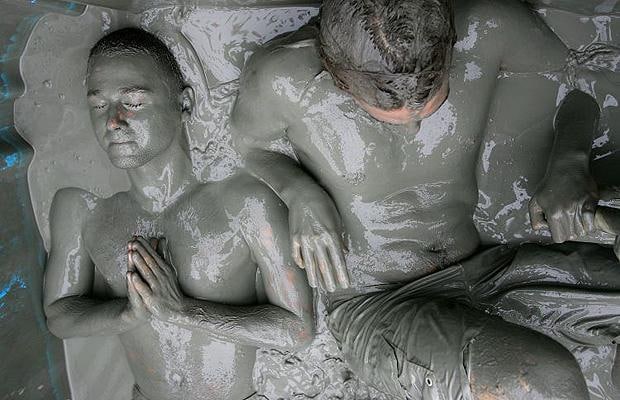
The Boryeong Mud Festival offers a variety of programs ranging from mud baths, free mud-powder massages, mudflat games such as wrestling & football, and obstacle marathons. Not to mention, there is a water gun fight that breaks out randomly. This was probably my personal favorite part of the festival because everyone instantly became 12 years old again. It was simply, a blast.

For more information, be sure to visit http://boryeongmudfestival.com/Overview


Amber Ochoa is from Los Angeles, USA, and just recently moved to South Korea in May. She studied Biochemistry as an undergraduate. After graduation, she began venturing out and embracing her love for adventure. She finds that “nothing holds greater power in our life than the unknown.” One night while applying to random jobs on Indeed, she came across an English teaching position in Seoul, Korea. Flash forward, she is now teaching at CDI, Mokdong branch. She claims that Creverse found her and ended up becoming a blessing in disguise. Amber says giving knowledge to students & inspiring them for higher achievements in life is one of the greatest feelings in the world.

Hiking Through Autumn Landscapes

Arriving in Korea in the Fall

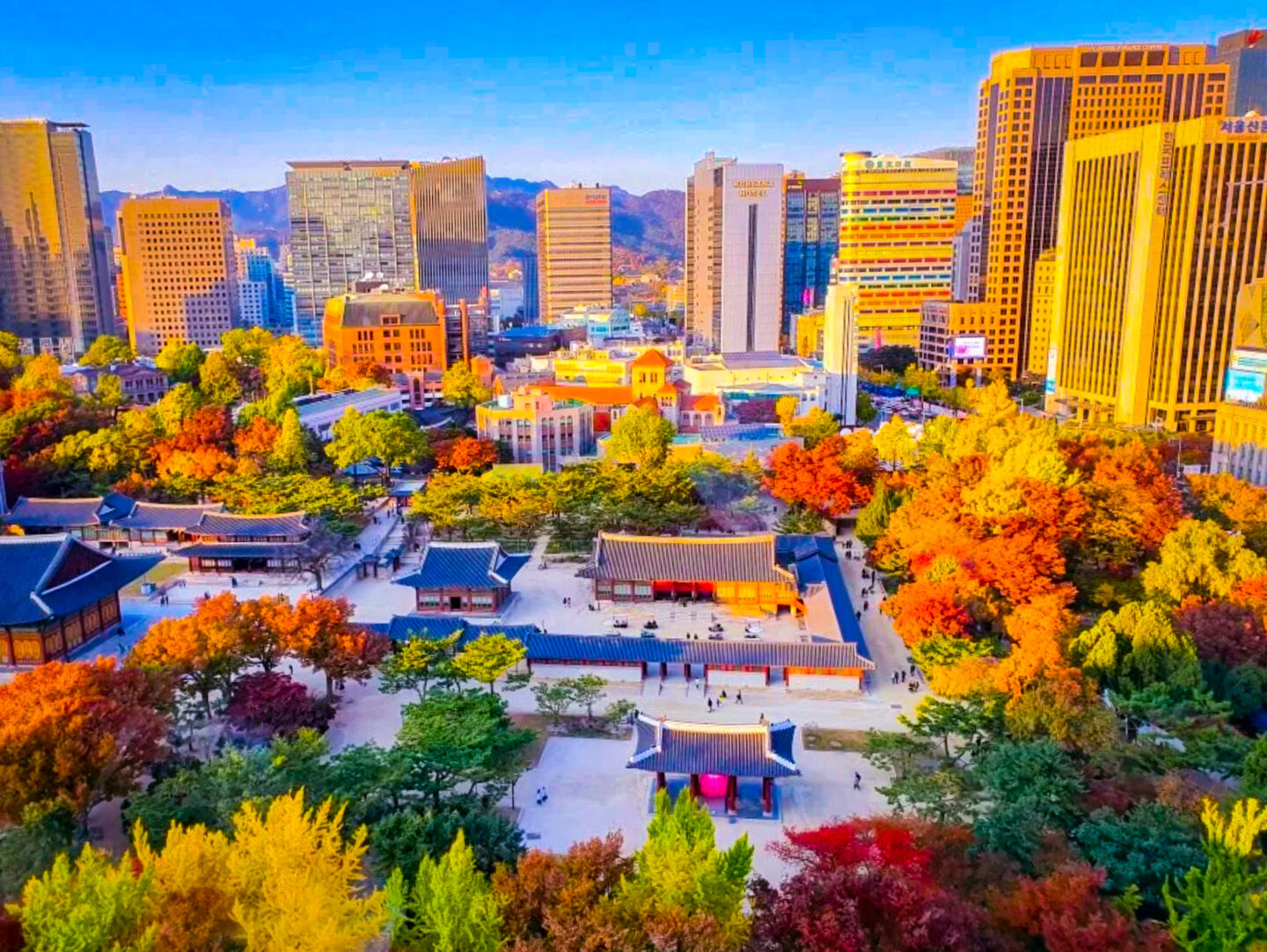
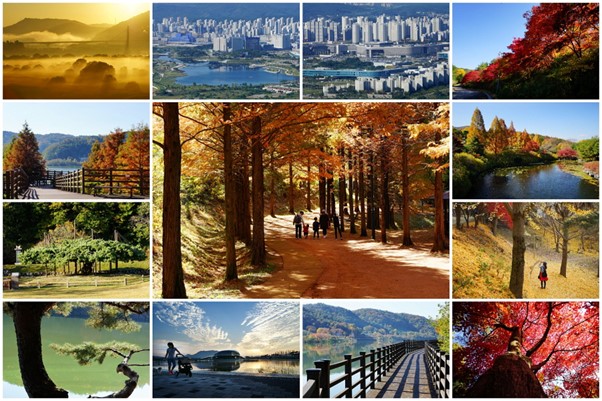
As summer ends and autumn arrives in South Korea, the country transforms with colorful beauty. Fall is a special time, especially for hikers, who can explore Korea’s natural splendor. If you’re lucky enough to be arriving during this season to teach English in Korea, you are in luck! From Seoul to Sejong, hiking through autumn landscapes can be a truly magical adventure!

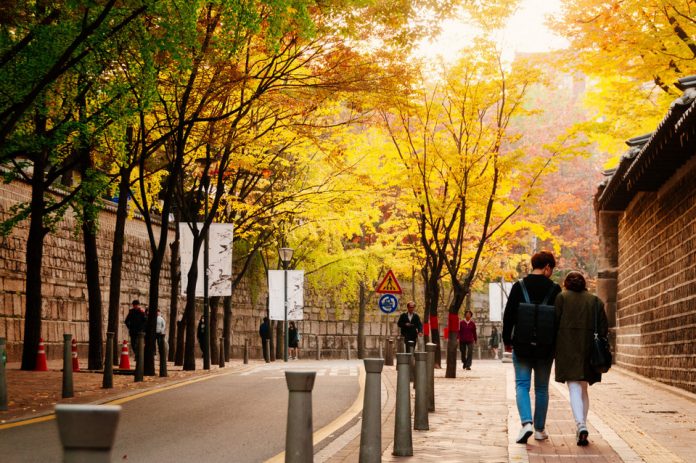
Arriving to South Korea in the Fall feels like entering a painting. The air is cool, carrying the scent of crisp leaves and new adventures. The streets are warm and inviting, covered in red, orange, and yellow leaves, urging you to go outside.

Among Korea’s four seasons, Fall is a fan favorite. The hot summer eases into perfect weather conditions, perfect for outdoor activities. The colorful trees make hiking the perfect activity. The mix of colors on mountains and valleys is breathtaking, making fall a great time for photographers and nature-lovers alike.

Hiking Though Korea's Autumn Glory

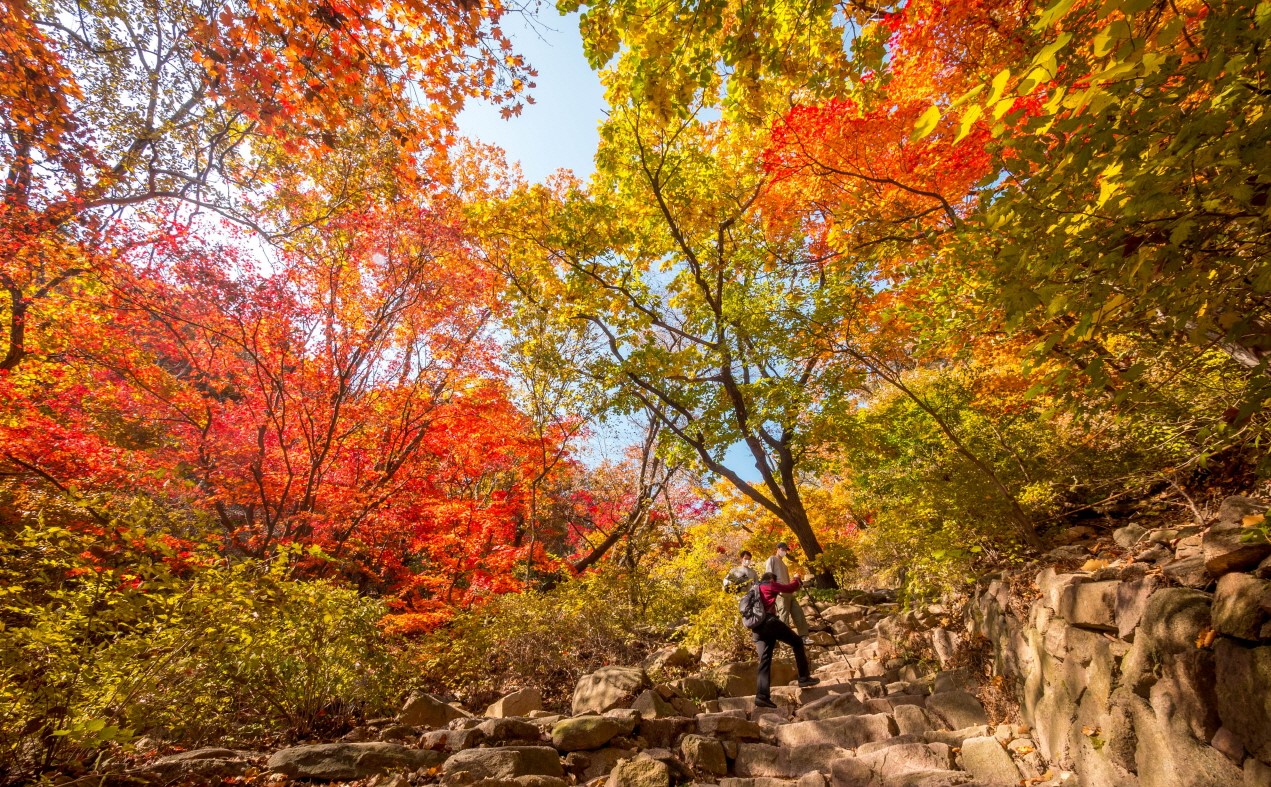
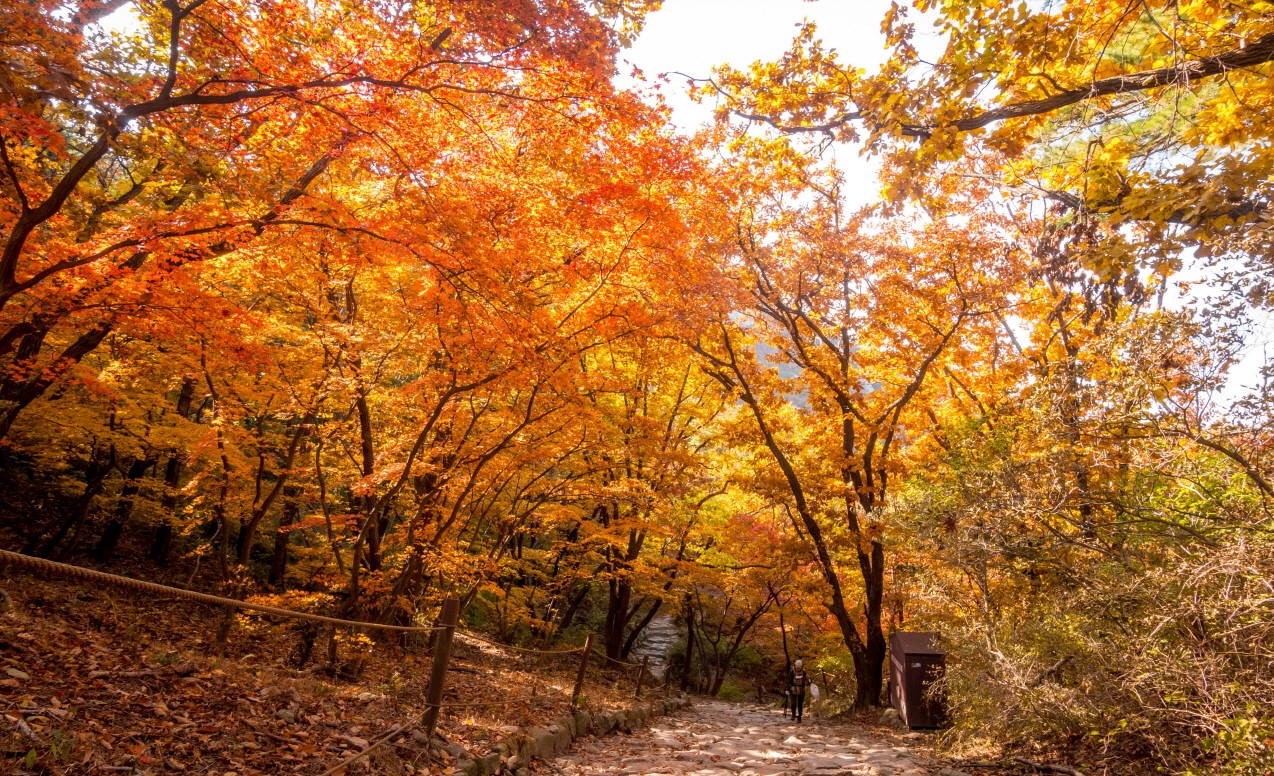
Korea has many hiking trails that become stunning in Fall. From the famoulsy popular Bukhansan National Park in Seoul to hidden gems around the country, each trail offers a unique experience. Trees turn into a beautiful mix of red, orange, and yellow as you climb. The rustling leaves and glimpses of wildlife make the journey enchanting.

Enjoying Fall in Sejong City

Sejong City, surrounded by hills and beautiful landscapes, is perfect for a peaceful fall hiking adventure. Trails like Bihak Mountain offer panoramic views of Sejong against autumn colors. The city’s bustling scene transitions to a calm natural setting as ascend up and down the mountain!

A Taste of Culture Along The Way

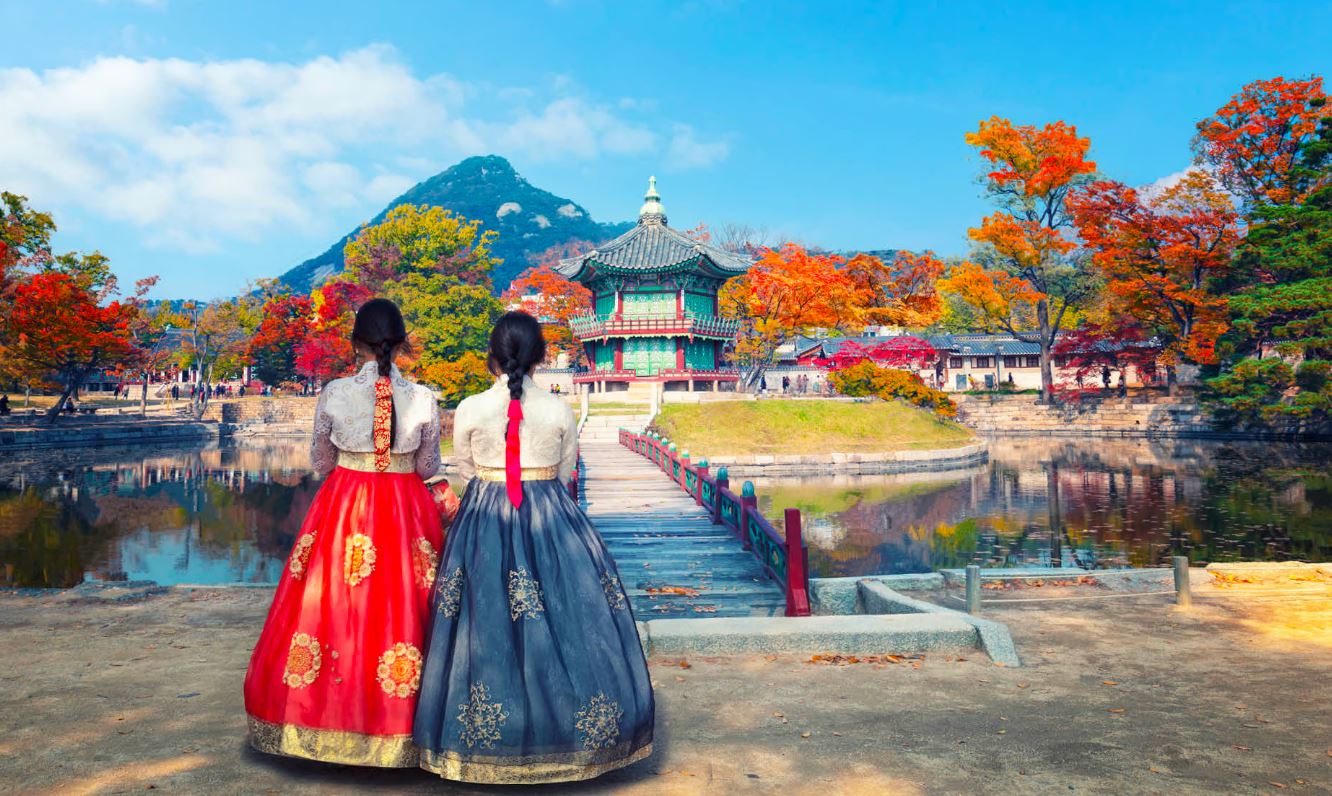
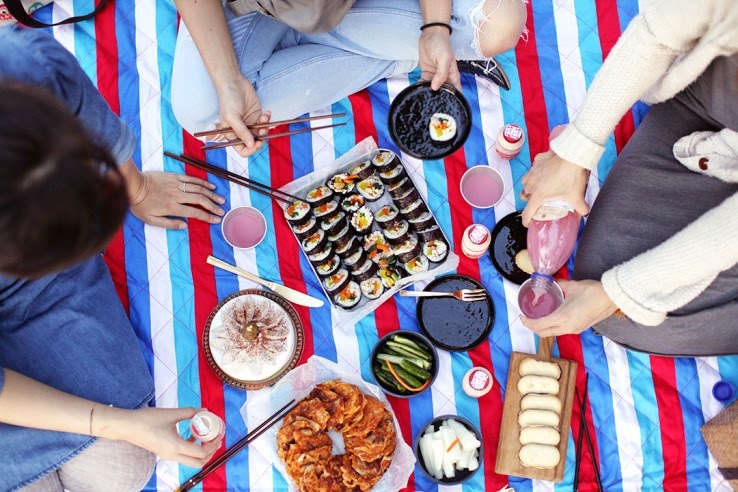
Fall in Korea isn’t just about nature; it’s also a time for culture and festivities. On the trails, you might see locals in traditional Korean attire, having picnics, or performing folk shows. These encounters show Korea’s rich culture and can make your hiking experiences even more fun and exciting.

Fall in Korea is a season of wonder, where nature displays its beauty through colorful landscapes. Experiencing Korea during this season is like taking a front-row seat to a fall symphony. From bustling city streets to peaceful country trails, each step celebrates Korea’s traditional and modern beauty. Strap on your hiking boots, feel the cool breeze, and let the adventure begin!


Bella Maselana hails from South Africa where she earned a Bachelor’s of Psychology and has served as an English teacher and Lecturer at the University of SA. Bella currently teaches at April English in Sejong, South Korea. 

American Food in Korea

Eating kbbq, kimchi, bulgogi, and samgyeopsal never gets old while living in Korea. Although, from time to time I do miss the occasional cheeseburger, pizza, and street tacos. I can’t help it! I was born and raised in Los Angeles, California. Missing food from home is not unusual while living abroad. Thankfully, I’ve run into my fare share of restaurants that serve American food in Korea.

The Cheeseburgers Finds

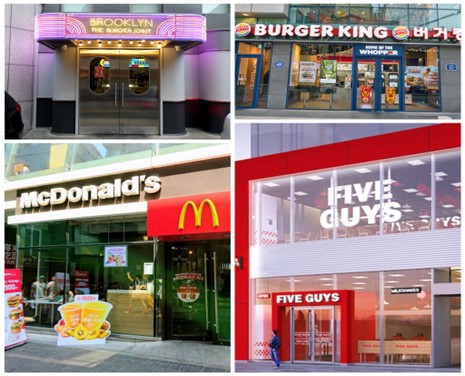
If you are ever in the mood for a cheeseburger, you’ll be sure to find a McDonald’s or Burger King nearby. Are you worried about not being able to order because of your lack of Korean speaking skills? Not to worry! They have kiosks that you order from with English language settings. The prices are impeccable, as inflation is not a huge issue here in Korea (yet). For instance, you could purchase a whopper meal and spend about 10,000 KRW or $7.50 USD.

More “sophisticated” American food in Korea, Five Guys is also located in Gangam. Lines are usually out the door, so be sure to plan accordingly. The menu is a bit overpriced, but if you’re looking for a quality burger, this is the way to go. Now, if you’re looking for a burger that is absolutely chef’s kiss, Brooklyn burger joint takes the trophy. I go to the Mokdong location at least once a week. The patty is juicy, and the buns are soft, yet sturdy. The meat/bun/accompaniment ratio is even from the first to last bite. Not to mention, the milkshakes are thick, creamy, and smooth. The quality of the meal makes up for the price. You can expect to pay about 20,000 krw or $15.50 USD for a cheeseburger, milkshake, and fries. Be sure to check out this link for additional information on Brooklyn locations and menu.

"American" Pizza

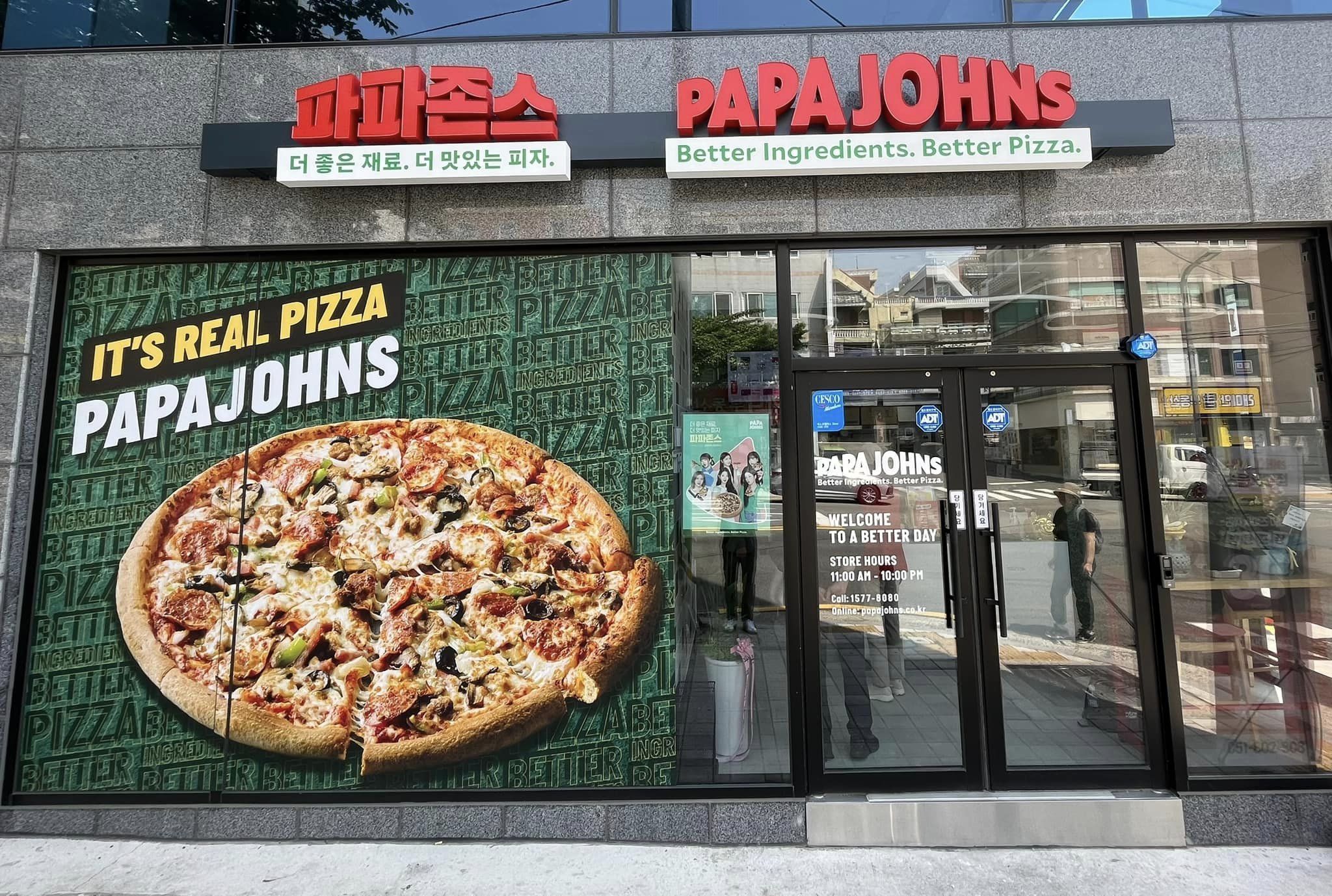
The great news about American food in Korea: pizza parlors can be found on almost every corner. I was surprised to find Papa Johns my first week arriving here in Seoul. The menu is a bit different out here, as all places accommodate their audience. Garlic pepper steak, grilled bulgogi, and shrimp alfredo pizza are common in most Korean parlors. But, you can definitely still order your plain pepperoni and cheese pizza as well. Prices range depending on the size. The smallest size starts at 20,000 KRW. Be sure to click the link to see the official menu. Also, feel free to check out Foursquare’s top 15 best pizza places in Seoul. 

American-style Mexican Food

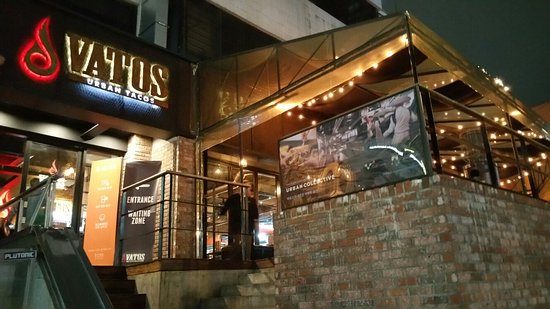
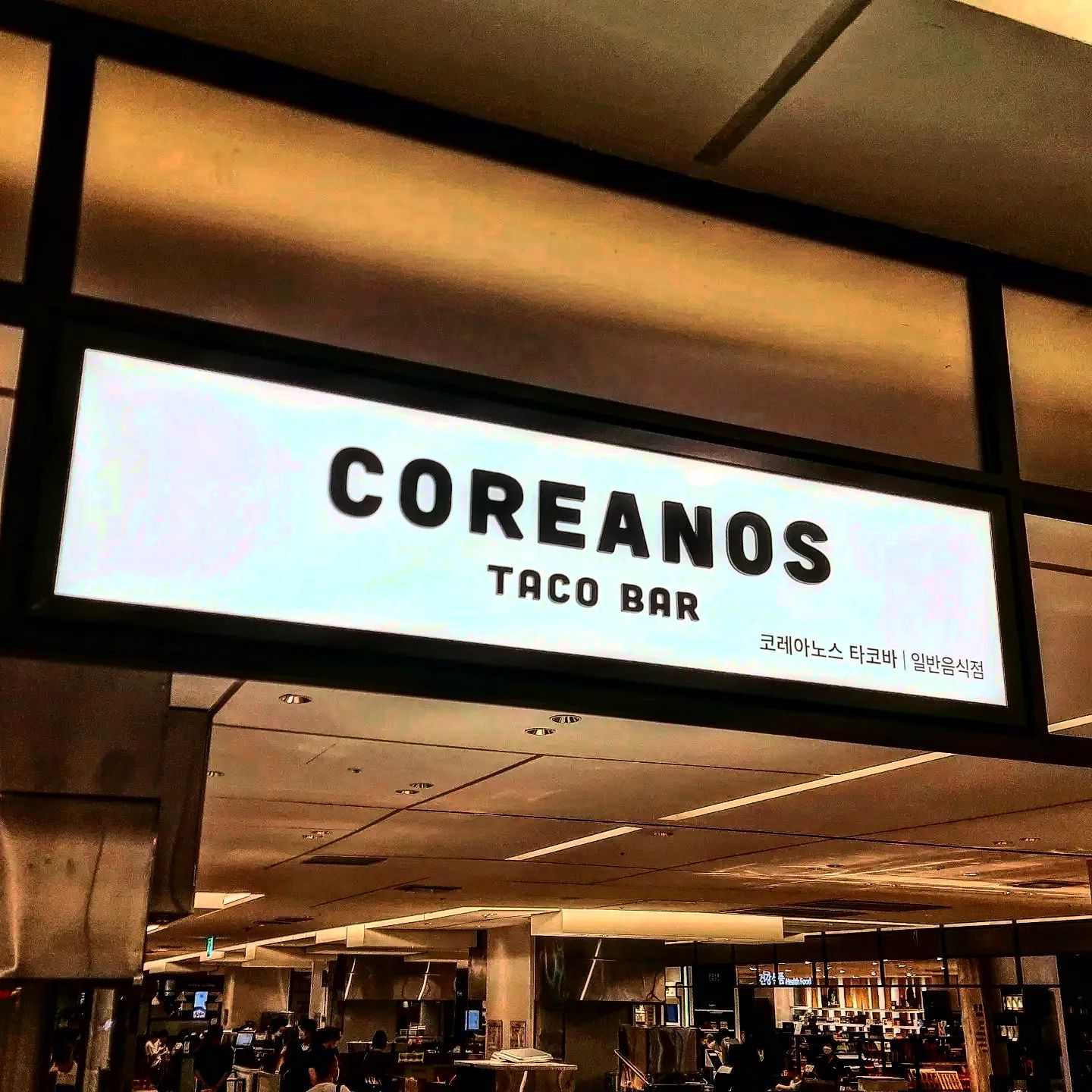
According to google, Mexican food is Americans’ second favorite food. So, it’s only right that I include a section of this blog dedicated to the best kind of food on the planet (I am mexican, call me biased). Crazy enough, Koreans can cook up a decent burrito, taco, and quesadilla. Mexican restaurants are not the easiest finds. But, I have found that Itaewon has a handful of good spots. Some meals (other than the usual burrito/tacos/quesadillas) you’ll be able to order include enchiladas, super nachos, tamales, chilaquiles, and mole. Check the link below to see 10Magazine’s top 10 Mexican restaurants in Seoul for Mexican American Food in Korea.

Additional American Food Spots In Korea

Some other noteworthy American food spots in Korea include Subway, KFC, Starbucks, On The Border, Auntie Anne’s, Pancake House, and TGI Friday’s just to name a few!  Mom’s touch actually originated here in South Korea. They’ve been branching out over the years, and actually have some locations in Los Angeles. If you are looking for a delicious chicken sandwich, be sure to check them out!

Amber Ochoa is from Los Angeles, USA, and just recently moved to South Korea in May. She studied Biochemistry as an undergraduate. After graduation, she began venturing out and began to embrace her love for adventure. She finds that “nothing holds greater power in our life than the unknown.” One night while applying to random jobs on Indeed, she came across an English teaching position in Seoul, Korea. Flash forward, she is now teaching at CDI, Mokdong branch. She claims that Creverse found her and ended up becoming a blessing in disguise. Amber says giving knowledge to students & inspiring them for higher achievements in life is one of the greatest feelings in the world. 

15 Must Have Apps for Korea!

If you’re about to embark on an exciting journey to South Korea to teach English, you’ve come to the right place. Before you dive headfirst into the land of K-pop and kimchi, let’s talk about the tools that will make your life much more convenient while you’re living your best expat life. These trusty apps will keep you connected, well-fed, and effortlessly navigating the streets of Seoul and beyond. Grab your phone as you read along so you can start downloading. Get ready to embrace convenience like a pro. Without further adieu, here are the 15 Must Have Apps for Korea!
 (All links go to the Google Play Store, but all apps are also available for iOS)

COMMUNICATION

Kakao Talk

Kakao Talk Icon

Kakao Talk is the one app that runs through the veins of every Korean. it is a must-have for anyone living in or visiting South Korea. From its seamless messaging to its cute sticker features and beyond, KakaoTalk has become an integral part of Korean social life. KakaoTalk is great for connecting with locals and will likely be the primary form of communication between you, your coworkers, and your friends. Pro tip: Make sure to choose a username that you are comfortable with, because the Kakao platform will only allow you to change it once!

MAPS & NAVIGATION

Kakao Maps

KAkao Maps Icon

Lost in the streets of Seoul? Don’t expect your standard Google or Apple Maps to guide you well. Kakao Maps is here to save the day! This is the go-to navigation app for Koreans. Kakao Maps is an always reliable navigation tool. From accurate real-time directions to detailed public transportation information, this app is a game-changer. It has intuitive features, including voice-guided navigation and street view. It even recommends nearby attractions and restaurants.

Naver Maps

naver maps Icon

When it comes to map options, Naver Maps is my personal favorite (over Kakao Maps)! I find it to be incredibly intuitive, especially when it comes to providing directions for addresses submitted in English. Naver Maps offers a wealth of features. These include precise directions, real-time traffic updates, and comprehensive information about local attractions and services. It can show bus schedules, public transportation options, and user-generated reviews.

TRAVEL

Kakao Taxi

kakao taxi Icon

Kakao Taxi has become an indispensable app for Koreans. Other ride-hailing apps like Uber are NOT available, so if you need a ride quickly or aren’t yet comfortable with public transportation, Kakao Taxi has got you covered. It provides a seamless and efficient way to book a taxi right from your phone. This allows you to conveniently search the address right from your phone to avoid any communication errors with the driver about where to go. Kakao Taxi has real-time tracking, estimated fares, and the ability to choose your preferred vehicle type. (Be aware that you must have a functioning Korean phone number to connect a Korean bank card and pay, but you can always wave down a taxi the old fashioned way and pay with cash or any card!)

KTX

ktx Icon

If you are looking to travel long distances in a short period of time, check out the KTX (Korea Train Express) and the KTX App by Korail. Get ready to speed across the country at trains reaching up to 300 kilometers per hour. All while enjoying the view, comfort, and amenities offered on board. With the KTX App by Korail, you can easily search for train schedules, reserve your preferred seats, and purchase e-tickets from your phone.

Trip.com

trip.com Icon

Navigating through various Korean apps and taking multiple screenshots can be tiring and potentially lead to travel mishaps. When I arrived in Korea, I found solace in using trip.com to book my KTX tickets to Seoul and other major cities. While the prices may be slightly higher compared to booking directly through Korean apps or ticket stands, it offers a great alternative for those seeking peace of mind. The app provides a clear understanding of the ticket purchasing process. Embrace the convenience of Trip.com for hassle-free ticket bookings during your Korean adventures!

TRANSLATION 

Papago

papgo icon

Language barriers can be a hassle, but the Papago app revolutionizes communication in South Korea. This powerful translation app, developed by Naver, offers seamless translations between Korean and a multitude of languages. With features like text translation, voice recognition, and even image translation, Papago is a powerful tool for new arrivals and language learners alike.

Google Translate

gogole translate Icon

Say 안녕하세요 (annyeonghaseyo) to Google Translate! Just like Papago, this app is equipped with text input, voice recognition, and offline capabilities to support you even when you’re offline. I think what sets Google Translate apart is its impressive real-time translation feature, which allows you to conveniently translate text on your screen using your phone’s camera.

SHOPPING & PAYMENT

Coupang

coupang Icon

Coupang offers an extensive range of products, all just a few taps away. With lightning-fast delivery, this tool is comparable to Amazon. Newcomers often worry about packing, but with the ability to order nearly anything from Coupang, you don’t need to worry so much about packing.

GMarket

gmarket icon

GMarket is another great Korean e-commerce platform offering both local and international brands. It always has deals and promotions, offering great value for your money. GMarket is a great option for new arrivals, as you will need a Korean bank account in order to set up any Coupang orders. On the other hand, GMarket allows you to pay with international cards.

Kakao Pay

kakao pay Icon

I’m sure you’ve started to notice a recurring theme with the ubiquitous presence of “Kakao” on this list. Enter Kakao Pay, the digital payment revolutionizing how Koreans manage their finances. Whether you’re enjoying an iced americano at your go-to local café or seamlessly splitting bills with friends, this app provides a secure and convenient solution with just a few taps on your phone. With features like mobile payments, money transfers, and even the opportunity to earn rewards, Kakao Pay has it all. Plus, it’s as simple as a tap to make contactless payments straight from your phone using compatible card readers.

FOOD DELIVERY

CoupangEats, Yogiyo, & Baemin

coupang eats Icon
yogiyo Icon
baemin Icon

Arguably some of the most important apps to download are Yogiyo (요기요), Baemin (배민), and Coupang Eats (쿠팡이츠) South Korea’s top food delivery apps! These apps offer an extensive range of options, from local favorites to international dishes. The apps are equipped with photos and descriptions, and the speed of Korean food delivery service is always impressive.

Help Me Emmo!

help me immo Icon

This option was my saving grace upon arriving to Korea! Ordering from the Korean apps can be tiresome when English descriptions aren’t available. HelpMeEmo (‘Emo’ means ‘Aunt’ in Korean) allows you to chat with a bilingual representative who can assist with placing delivery orders. You can customize your order, ask questions about the menu, and make special requests for just a small fee of around three dollars. And the first order is free! You can also message them on KakaoTalk at ‘HelpMeEmo.’

I hope you’ve found a few helpful apps and services that will make your life in South Korea more convenient and enjoyable! From translation and shopping to navigation and food delivery, these tools are here to simplify your life. Enjoy your adventures in South Korea with these essential apps by your side. Safe travels!

Alexandra Skouras is from Pennsylvania, USA, and has been living in South Korea since April 2021. She studied Biology and Spanish during college but decided to embrace her love of travel and cultural diversity through teaching English in other countries. After spending one year teaching in Madrid, Spain, she decided to move to South Korea, and since then has been teaching Chungdahm April in Sejong. Her favorite part about teaching is connecting with students and seeing how much growth they can achieve in just a short period of time. Alexandra describes her Korean life as the perfect mix of comfortable and exciting, and is passionate about encouraging other people to take the leap of faith and try something new.

Transportation in Korea

Transportation in Korea: Top 8 Ways to Get Around 

One of the best features about living in South Korea is the affordable and accessible transportation. Whether you need to move across town, or travel to the other side of the country, there are so many options.


Short distances:

1. Public Bicycles

It’s not uncommon to find public bicycles available across the country in major cities. Usually, you can download an app onto your smartphone and then link a bank card to pay for the ride.

You’ll have to scan a QR code on the bike, and it will unlock automatically. Many of these public bikes are equipped with baskets attached in case you have something to carry. It’s a great way to move around the city while also getting some exercise. Conveniently, you can also check the app to see where the bikes are located. Depending on your location, you can expect to find some bike lanes, making your ride safer and more comfortable. Here’s a “How To” on renting bikes in Seoul City.

2. Electric Scooters

Similarly to bike rentals, you can also opt to travel by electric scooter. Some of the more popular choices are GCooter, Beam, and Swing. The scooters can travel up to 25 kilometers per hour. Typically, if you don’t link a valid Korean driver’s license to your account, the recommended speed limit is 17 kph. I think this is a great option for days when the weather is nice, because you can ride alongside friends and it’s so much fun! You can find some general regulations for e-scooters here. Safety is a big concern, so riders must wear helmets and can ride only one at a time. Safety first!

3. The Bus

The bus network in South Korea operates in all cities and even in smaller villages and towns. The bus system is fairly easy to navigate, but can become difficult if your Korean is limited. Still, downloading navigation apps such as KakaoMaps or NaverMaps will help you get from point A to point B with ease. Just scan your T-money travel card (which can be purchased and reloaded at any convenience store) and you’ll be on your way!


4. Subway

The Korean subway system is praised for its efficiency worldwide. Subways are available in the five major cities consisting of the Seoul Metropolitan Area. This includes Seoul, Gyeonggi-do, and Incheon; Busan, Daegu, Gwangju, and Daejeon. It’s possible to buy a single journey ticket with cash, but you can actually save money by loading up a T-money card, and use it for taxis and buses as well. Subways operate from 5:30am to 1am the next day. Try to remember basic subway etiquette like waiting for passengers to exit before loading the car, not sitting in seats designated for the elderly or pregnant women, and not eating inside of the train cars.

5. Kakao T

Similarly to Uber and other ride services, South Korea uses Kakao Taxi for its private transportation services. If you are in a rush and don’t have time for public transportation, this could be a great option. You can download the Kakao Taxi app which has English services and an intuitive interface, making it easy to navigate directions. Using the app can also provide peace of mind to foreigners as then you can track the taxi route and make sure you have an estimate of the fare before taking the trip.

Kakao T Taxi Cab

Long distances:

6. Airport “Limousine”

The airport limousine bus is a lifesaver for people traveling to Korea with loads of luggage. These buses are spacious and comfortable, and will take you closer to your final destination if traveling outside of Seoul. If you are leaving from the airport, you can purchase a ticket at the stands outside of the terminals. If you are headed to the airport, you can download an app to reserve a ticket in advance. The bus application to reserve tickets doesn’t operate in English yet, but it’s quite simple to screenshot the app and translate using Google Translate or Papago in order to purchase your ticket.


7. Express Bus and “Intercity” Buses

These buses are cheap, reliable, and operate in all cities and towns. These buses can take passengers from one city to another, which is the best option for weekend trips to take part in amazing activities like paragliding, bungee jumping, ATV, or botanical gardens!  


8. KTX Bullet Train

KTX, Korea Train Express, is one of the best ways to travel between cities. You can expect a quiet and smooth ride while taking in the beautiful landscape of the country. The high speed train travels at an astounding 305 kilometers per hour and interconnects popular travel destinations. You can download the Korail app to purchase tickets. If you don’t feel comfortable booking on the Korean app, you can always use a service like Korean Train to book your ticket. You should expect to pay a bit extra in this case, but it does make it easier to book or later change your ticket if need be.


With so many affordable options to travel these days, seeing different regions of South Korea has never been easier!


Alexandra Skouras is from Pennsylvania, USA, and has been living in South Korea since April 2021. She studied Biology and Spanish during college but decided to embrace her love of travel and cultural diversity through teaching English in other countries. After spending one year teaching in Madrid, Spain, she decided to move to South Korea, and since then has been teaching Chungdahm April in Sejong. Her favorite part about teaching is connecting with students and seeing how much growth they can achieve in just a short period of time. Alexandra describes her Korean life as the perfect mix of comfortable and exciting, and is passionate about encouraging other people to take the leap of faith and try something new.